Category: General

  • How to Choose the Right Architect in Dubai for Your Dream Villa

    How to Choose the Right Architect in Dubai for Your Dream Villa

    Selecting the perfect professional is the most critical step in bringing your dream villa to life. This comprehensive guide on how to choose the Right Architect in Dubai provides a proven framework 

    Essential Villa Architect Dubai Tips for Selection

    These practical villa architect Dubai tips are distilled from successful projects across the Emirates. Heed these villa architect Dubai tips to distinguish truly exceptional firms from merely competent ones:

    • Review Comprehensive Documentation: Beyond renderings, examine technical drawings and construction details.
    • Verify Climate-Responsive Strategies: A top architect should explain solar orientation and thermal performance specific to UAE conditions.
    • Confirm Local Permit Expertise: Ensure they have proven experience with Dubai Municipality approvals.
    • Agree on Clear Milestones: Structure payments around specific deliverables like schematic design and permit approvals.

    These villa architect Dubai tips will save you time and prevent costly mistakes during your project journey.
    the Right Architect in Dubai

    Architect Dubai Selection Framework

    When evaluating an architect Dubai practice, apply this comprehensive framework. The ideal architect Dubai firm will demonstrate excellence across all these criteria:

    • Credentials & Registration: Must be registered with Dubai Municipality and relevant UAE authorities.
    • Portfolio Relevance: Showcasing completed villas of similar scale and complexity in the UAE.
    • Technical Coordination: Proven ability to manage structural, MEP, and specialist consultants.
    • Budget Management: Transparent processes for cost control and value engineering.
    the Right Architect in Dubai

    How to Choose the Right Architect in Dubai for Your Dream Villa

    Understanding how to pick architect UAE professionals requires a strategic approach that combines rigorous verification with personal compatibility assessment. This crucial first step in how to pick architect UAE standards ensures you find a partner who can not only design beautifully but also navigate Dubai’s specific regulatory landscape and climate challenges.

    How to Pick Architect UAE: Practical Steps

    The process of how to pick architect UAE professionals involves these methodical steps. Following this approach to how to pick architect UAE standards will lead you to the right partnership:

    1. Create a Shortlist: Compile 6-10 firms from referrals and portfolio reviews.
    2. Conduct Deep Portfolio Review: Focus on built villas, not just conceptual work.
    3. Interview Top Candidates: Use structured questions to assess compatibility and expertise.
    4. Check References Thoroughly: Speak directly with previous villa clients.
    5. Review Sample Deliverables: Examine their technical documentation quality.
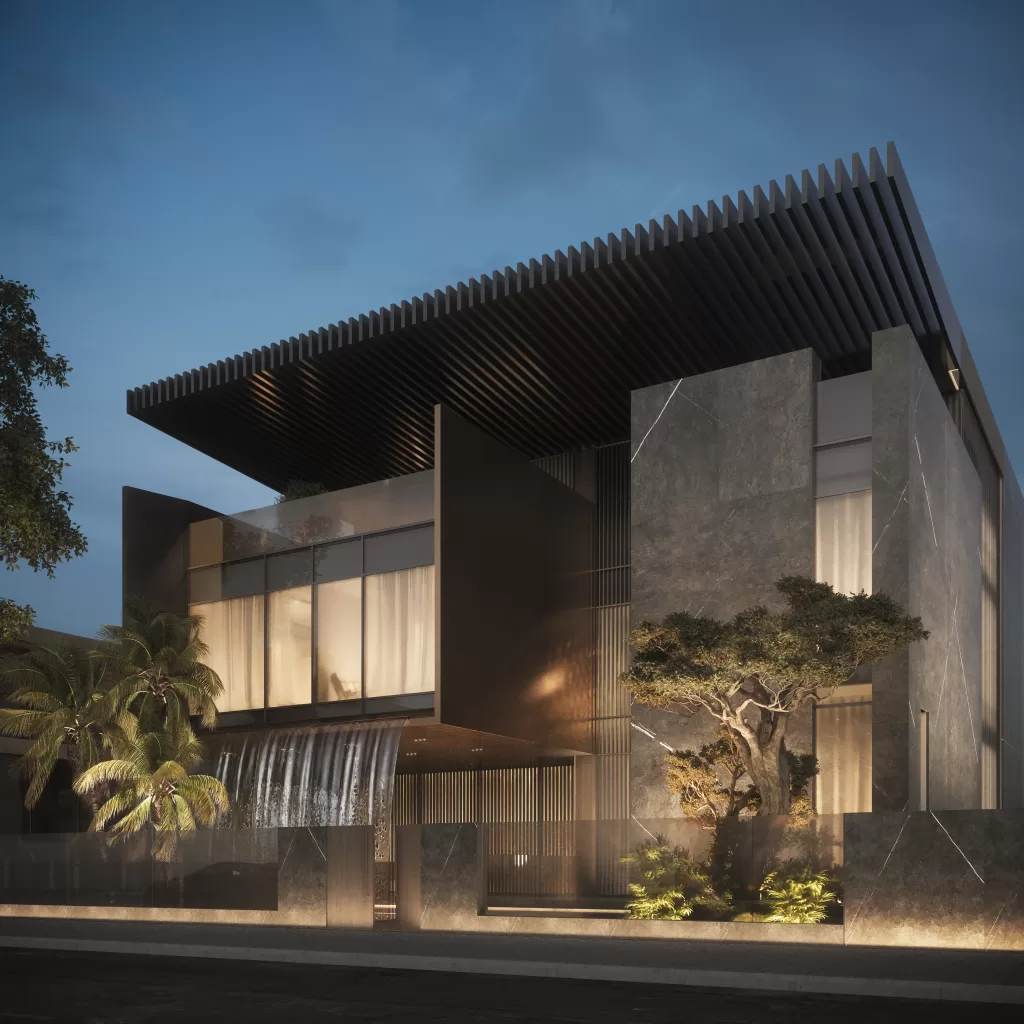
    the Right Architect in Dubai

    Advanced Villa Architect Dubai Tips

    For those seeking exceptional quality, these advanced villa architect Dubai tips will elevate your selection process. Implement these villa architect Dubai tips during your final decision phase:

    • Assess Problem-Solving Skills: Ask about specific challenges they’ve overcome in previous UAE villa projects.
    • Evaluate Consultant Network: Check their coordination with landscape, pool, and smart home specialists.
    • Understand Variation Management: Agree on processes for handling design changes during construction.
    • Confirm Post-Handover Support: Clarify defect management and warranty processes.
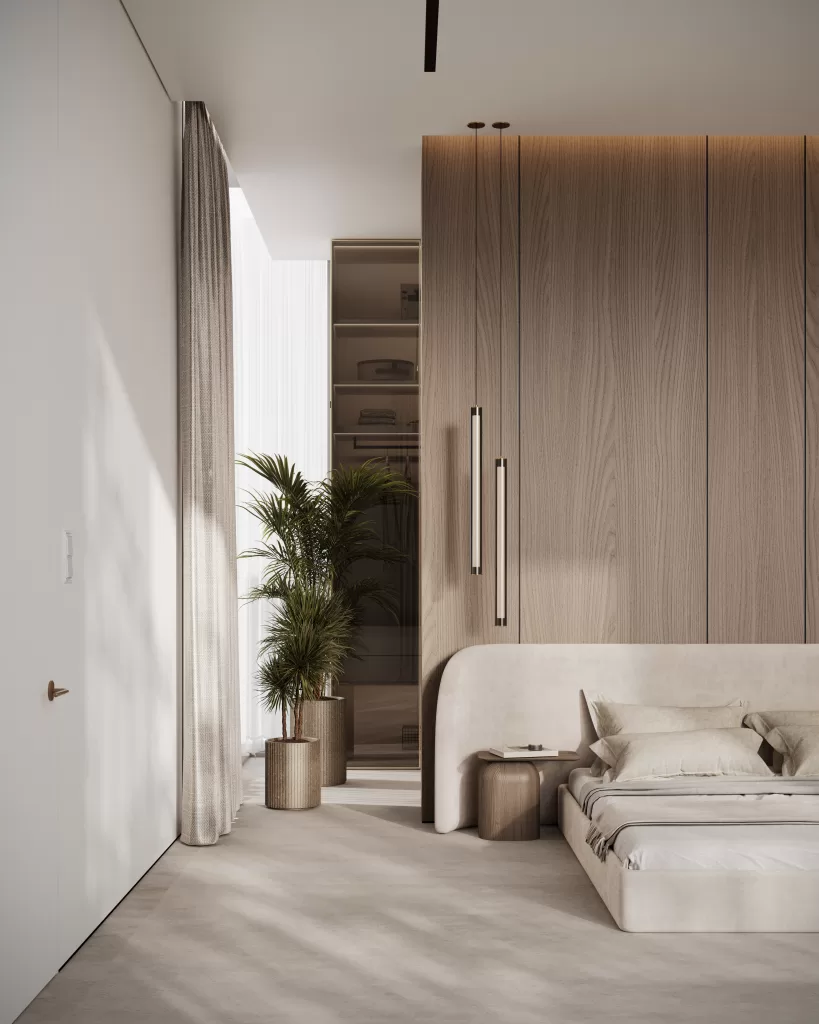
    the Right Architect in Dubai

    Key Questions When You Choose Architect Dubai

    Arm yourself with these essential questions for your architect Dubai interviews:

    1. Can you show two villas completed in the UAE and provide client references?
    2. What is your experience with Dubai Municipality approval processes?
    3. How do you manage cost control for villas in this budget range?
    4. What is your site supervision frequency and methodology?
    5. How do you integrate climate-responsive design principles?

    Conclusion: Mastering the Selection Process

    By applying this structured approach to how to pick architect UAE professionals, and implementing these practical villa architect Dubai tips, you can confidently select a partner who will deliver your dream villa exceeding expectations. The right architect Dubai will blend creative vision with technical expertise and local knowledge, ensuring a successful project from concept to completion.
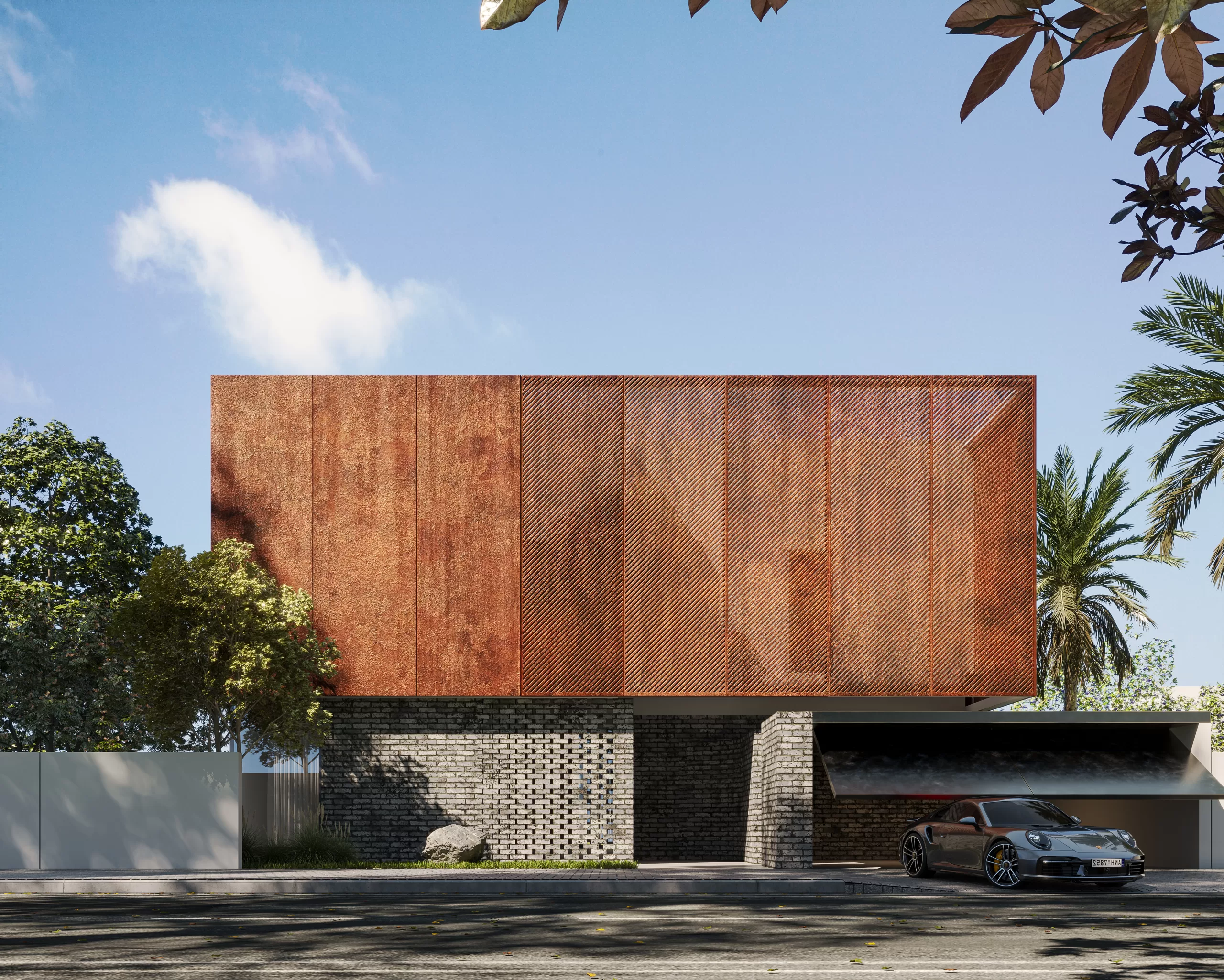
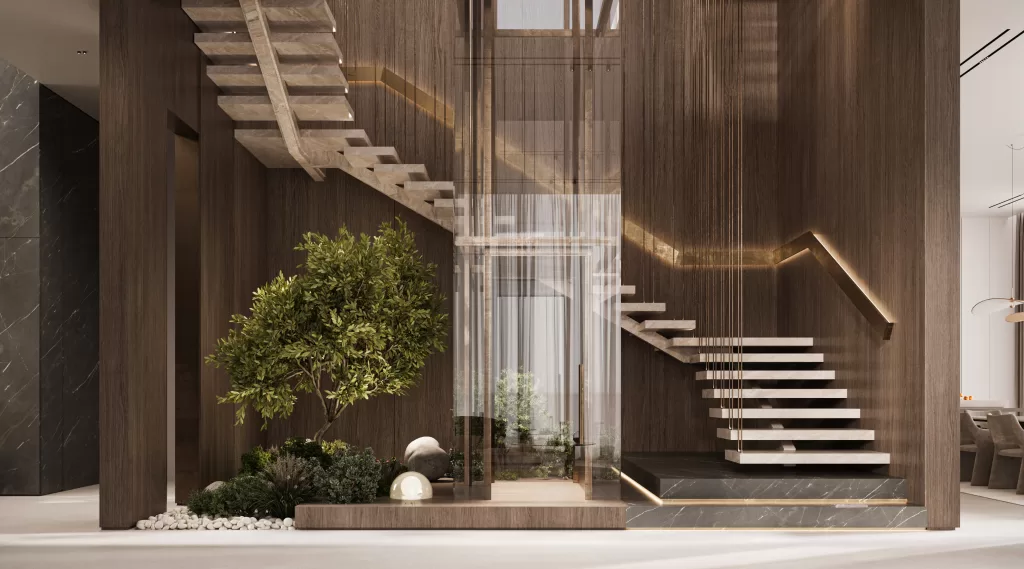
  • Luxury Home Design in Dubai – Where Innovation Meets Elegance

    Luxury Home Design in Dubai – Where Innovation Meets Elegance

    Explore the pinnacle of residential design where luxury home design in Dubai achieves harmony between advanced innovation and timeless elegance. This guide highlights how new approaches in home design across the UAE elevate modern living in the region’s most exclusive properties.

    Innovative Design: Technology and Experience

    A new wave of design in the UAE integrates smart systems, flexible layouts, and modern materials to create adaptive homes. These technologies—such as sun-responsive façades, intelligent glazing, and discreet automation—enhance daily comfort without dominating the space.

    Luxury Home Design in Dubai

    Human-Centered Planning in Luxury Homes
    Exceptional residences begin with an understanding of human routines. Thoughtful planning considers natural light, privacy, movement patterns, and functional sequences to create environments that meet both practical and emotional needs.

    Climate-Responsive Detailing
    High-end homes in Dubai address the local climate through strategic solar orientation, deep overhangs, and durable performance materials. Features like thermal breaks and UV-resistant finishes ensure long-term comfort and visual appeal.

    Seamless Technology Integration
    The best modern homes use technology that remains invisible yet highly effective. Integrated systems manage lighting, climate, and security through intuitive controls, supporting a smooth daily experience.

    Luxury Home Design in Dubai

    Indoor–Outdoor Living
    A signature of premium residences in the UAE is the seamless connection between interiors and outdoor spaces. Sliding glass walls, shaded terraces, and transitional courtyards expand living areas while maintaining privacy and natural flow.

    Material Craftsmanship
    True luxury lies in the balance between artisan craftsmanship and technical performance. Bespoke joinery, hand-finished surfaces, and engineered materials work together to deliver both character and durability.

    Wellness and Sustainability
    Contemporary design prioritizes wellbeing through enhanced air quality, circadian lighting, and efficient energy systems. Features like solar integration and sustainable materials contribute to healthier, more responsible homes.

    Luxury Home Design in Dubai

    Bespoke Interior Curation
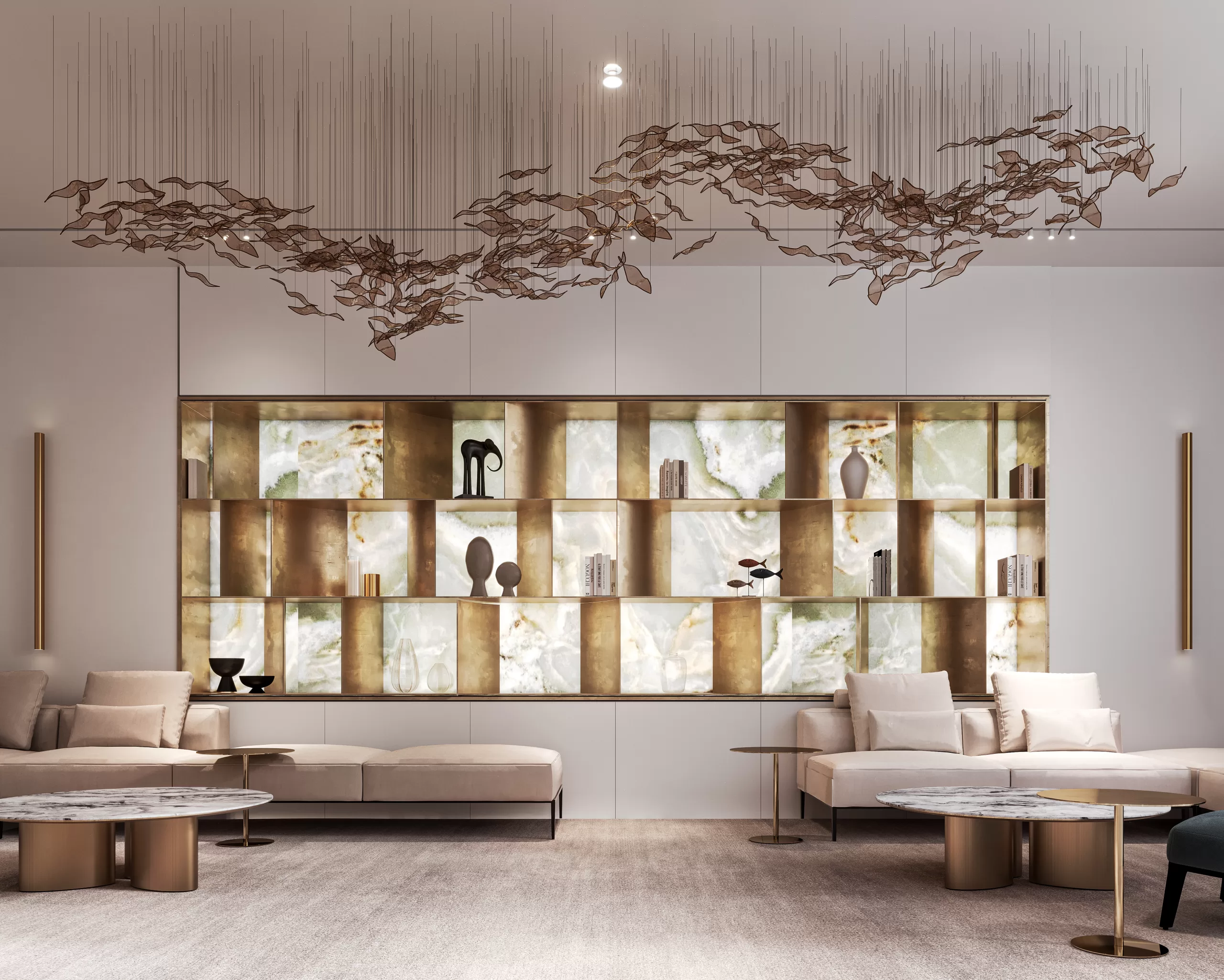
    Interiors are treated as curated environments where custom furniture, art integration, and controlled sightlines create tailored living spaces that reflect the owner’s identity.

    Future Trends
    The next generation of high-end residential design will include micro-wellness suites, adaptive multipurpose rooms, and dynamic façades with responsive shading. Increasing attention will be given to ethical material sourcing and craftsmanship.

    Luxury Home Design in Dubai

    Conclusion:

    Luxury residential design in Dubai continues to evolve through technological intelligence, climate awareness, and human-focused planning. The market demands spaces that combine global elegance with local insight, while innovation pushes boundaries in comfort, sustainability, and refined living.

  • Interior Architecture Dubai – Blending Functionality with Aesthetics

    Interior Architecture Dubai – Blending Functionality with Aesthetics

    Explore how interior architecture Dubai blends functionality, luxury, and climate-responsive design to create high-end villas that perform beautifully in the UAE’s unique environment.

    Interior Architecture Dubai

    Interior Architecture Dubai – Blending Functionality with Aesthetics

    Dubai’s luxury villas demand exceptional design that balances beauty with performance. This approach creates spaces that reflect client lifestyles while responding to local context.

    Human-Centred Planning by Interior Architects UAE

    Successful villa design starts with strategic programming. Skilled interior architects UAE create clear zoning between formal and private areas. These professionals design flexible spaces that adapt to evolving family needs.

    Interior Architecture Dubai

    Functional Interior Design UAE Principles

    The essence of functional interior design UAE combines usability with aesthetics. This methodology addresses storage, maintenance, and environmental controls early in the process.

    Climate-Responsive Design Solutions

    Expert designers master indoor-outdoor living through transitional spaces. They specify high-performance glazing and durable finishes that extend living areas comfortably.

    Interior Architecture Dubai

    Material Excellence in Dubai Villas

    Professional interior architects UAE select materials offering both luxury and longevity. Their knowledge ensures beautiful, durable interiors suited to local conditions.

    Integrated Systems Approach

    Quality functional interior design UAE incorporates concealed systems and smart automation. This technical expertise creates homes that respond intuitively to occupants.

    Lighting Strategies for UAE Homes

    Effective functional interior design UAE uses layered lighting for both atmosphere and practicality. This enhances usability while creating beautiful environments.

    Custom Joinery Solutions

    Talented interior architects UAE design bespoke joinery as architectural features. Their craftsmanship transforms spaces while solving practical storage needs.

    Sustainable Design Practices

    Interior Architecture Dubai

    Modern interior architecture Dubai prioritizes wellbeing through low-VOC finishes and biophilic elements. This sustainable approach adds long-term value to properties.

    Technical Coordination

    Professional interior architects UAE coordinate with consultants to ensure design integrity. Their oversight maintains quality from concept through completion.
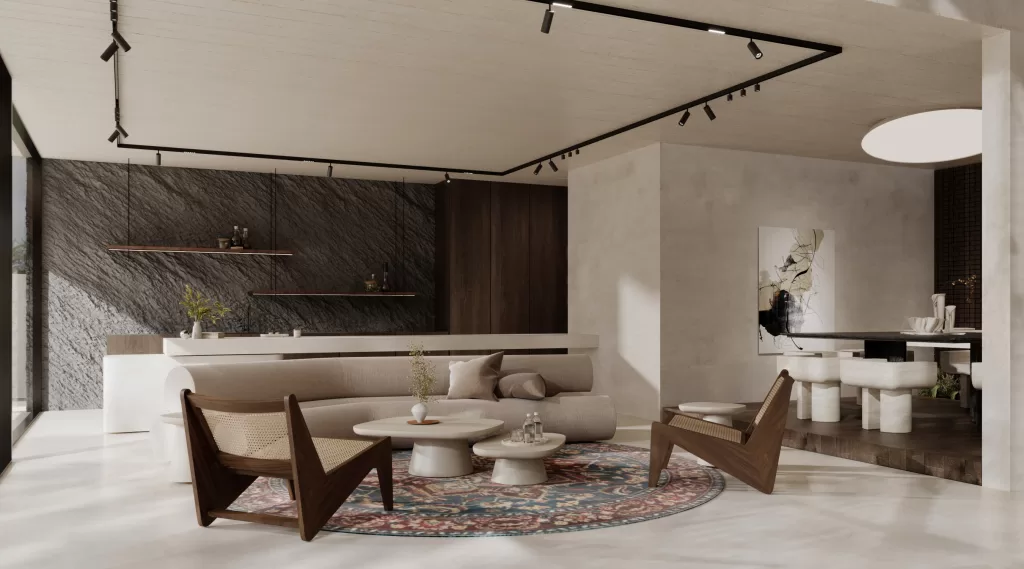
    Conclusion: Future of Dubai Design

    By combining innovative programming with climate-responsive solutions, interior architecture Dubai creates villas that are both stunning and practical. The expertise of local designers ensures spaces perform excellently while retaining enduring value.

  • Architectural Design Trends in the UAE – What’s New for 2026

    Architectural Design Trends in the UAE – What’s New for 2026

    Discover the key architectural design trends in the UAE for 2026, highlighting the latest innovations and emerging concepts shaping Dubai’s future skyline.

    Architectural Design Trends in the UAE – What’s New for 2026

    Understanding the direction of the market is key for anyone involved in property, development, or design. The trajectory for Architectural Design Trends in the UAE – What’s New for 2026 points towards an era of intelligent, human-centric, and environmentally conscious structures. These are the defininglatest architecture trends UAE experts are betting on, promising to merge iconic aesthetics with profound functionality and sustainability, solidifying the UAE’s status as a global leader.

    Architectural Design Trends in the UAE

    Architecture Design Trends UAE

    When we analyze the core architecture design trends UAE, a clear theme of responsive and regenerative design emerges. It’s no longer enough for a building to be visually striking; it must actively contribute to the well-being of its inhabitants and the environment. This philosophy is at the heart of the latest architecture trends UAE, driving the adoption of adaptive reuse projects and the creation of buildings that generate their own energy, a significant evolution in the region’s design narrative.

    Latest Architecture Trends UAE

    The latest architecture trends UAE are deeply intertwined with technological integration and cultural reflection. A prominent trend is the sophisticated use of smart home systems and AI, making buildings more intuitive and efficient. Concurrently, there is a powerful movement to reinterpret traditional Arabic elements like the mashrabiya and wind towers using cutting-edge parametric design. This blend of past and future is a hallmark of the 2026 architecture trends Dubai, creating a unique and authentic architectural identity.

    Architectural Design Trends in the UAE

    2026 Architecture Trends Dubai

    As a focal point of innovation, 2026 architecture trends Dubai are pushing the boundaries of neo-futurism and biophilic design. Expect to see more structures that feature flowing, organic forms inspired by nature, known as biomorphism. These designs, coupled with extensive vertical gardens and natural ventilation systems, create a seamless indoor-outdoor living experience. This focus on well-being and sustainability is central to the latest architecture trends UAE, ensuring that Dubai’s skyline remains not only stunning but also smarter and greener.

    Conclusion: A Tapestry of Innovation and Heritage

    In conclusion, the future of architecture in the UAE is a vibrant tapestry woven with threads of advanced technology, deep-rooted sustainability, and rich cultural heritage. The architecture design trends UAE for 2026 promise a built environment that is more responsive and resilient. By embracing these latest architecture trends UAE, the region continues to build its legacy, one innovative structure at a time, firmly establishing the 2026 architecture trends Dubai as a global benchmark for years to come.

    Architectural Design Trends in the UAE

  • How Smart Home Technology Is Transforming Architecture in the UAE

    How Smart Home Technology Is Transforming Architecture in the UAE

    smart home technology UAE is reshaping how architects design homes across the Emirates. From luxury villas on the Palm to compact high-rise apartments in downtown Dubai, home automation and integrated systems are no longer optional extras — they are design drivers. As clients expect seamless digital experiences, architects must balance aesthetics, performance, and privacy while future-proofing buildings for rapidly evolving technologies. This article explores how smart architecture UAE is changing spatial planning, engineering coordination, user experience, and sustainability in residential design.

    What “smart” means for architecture

    At its simplest, home automation architecture Dubai describes buildings where lighting, climate, security, audio-visual systems, and appliances are connected and coordinated through central control platforms. But for architects the implications run deeper: smart homes demand intentional infrastructure (networks, conduits, service voids), spatial design for control hubs and equipment, and an integrated strategy so technology enhances — not disrupts — architecture.

    Embedding technology into the design process

    Smart-enabled projects succeed when technology is considered from briefing through construction. Architects in the UAE increasingly specify:

    • Dedicated plant and equipment rooms with ventilation and access for AV racks, UPS, and home-server hardware.
    • Concealed wiring routes, centralised conduits, and ceiling voids for sensors, speakers, and lighting.
    • Flexible wiring and modular junction boxes to allow future upgrades without invasive work.
    • Strong and redundant data networks (Ethernet backbone + Wi-Fi planning) to support IoT density and low latency for real-time control.

    This infrastructural thinking affects floor plans, ceiling heights, and façade choices — for example, planning for motorised shading and integrated photovoltaic arrays that interact with building control systems.

    Designing for occupant experience and accessibility

    Smart architecture UAE places user experience at the center. Architects collaborate with integrators and UX designers to create intuitive control points: wall panels, smartphone apps, voice control or simple physical overrides for non-technical occupants. Accessibility is a major benefit — automated doors, adjustable lighting scenes, and voice-activated routines make homes more inclusive for residents with limited mobility or older adults.

    Energy efficiency and sustainability gains

    One of the most compelling drivers of green smart architecture is energy optimisation. Home automation enables:

    • Dynamic HVAC control that adjusts to occupancy and weather forecasts.
    • Lighting scenes and daylight harvesting that reduce electricity use.
    • Smart shading that limits solar heat gain, lowering cooling loads — critical in Dubai’s climate.
    • Integration with on-site renewables and battery storage for load balancing and grid interaction.

    When paired with energy-monitoring dashboards, these systems help homeowners understand consumption patterns and make greener choices — aligning smart home technology UAE with wider sustainability goals.

    Security, privacy, and resilience

    Security systems are a core part of home automation: access control, CCTV, alarm monitoring, and remote lock management. However, architects must also account for cybersecurity and data privacy. Design strategies include physical segregation of critical systems, secure server enclosures, and collaboration with integrators to enforce encrypted communications and regular firmware updates. Resilience planning — such as UPS backup for critical devices and fallback manual controls — ensures that homes remain safe and usable when networks fail.

    Challenges: interoperability, obsolescence, and cost

    Despite the benefits, smart architecture faces practical hurdles in the UAE market:

    • Interoperability: The IoT ecosystem is fragmented. Architects should favour open standards (e.g., Matter, BACnet, open APIs) and choose systems that support multiple protocols to reduce lock-in.
    • Obsolescence: Technology evolves quickly. Designing with modularity and retrofitability in mind avoids expensive rewiring or demolition later.
    • Cost and skill gaps: High-end automation can be costly and requires skilled contractors for installation and commissioning. Early budgeting and procurement strategies are essential to align client expectations with reality.

    The role of data and digital twins

    Advanced projects are turning to data to improve design and operation. Architects use digital twins and building information models that feed into smart systems, enabling predictive maintenance, energy modelling, and scenario testing (for example, how shading strategies or occupancy schedules affect comfort and energy). This data-driven approach improves long-term performance and supports evidence-based design decisions.

    How smart tech is shaping typologies in the UAE

    Different housing types adopt smart features in distinct ways:

    • Luxury villas: Full home automation with integrated pools, landscape lighting, private cinemas, and bespoke wellness systems. These projects prioritise hidden tech and high-grade audiovisual integration.
    • High-rise apartments: Focus on resilient connectivity, centralized building services, and community dashboards for shared amenities.
    • Gated communities / masterplans: Neighborhood-level systems such as connected EV charging, microgrids, and centralized security create coordinated smart living ecosystems across many homes.

    Practical guidelines for architects

    To design successful smart homes in the UAE, architects should:

    1. Start early: Specify technology requirements in the concept and schematic stages.
    2. Collaborate: Involve AV/IT integrators, MEP engineers, and cybersecurity specialists in the core design team.
    3. Design for change: Use modular conduit systems, accessible equipment rooms, and surface-mount options where future retrofits may be required.
    4. Prioritise UX: Keep controls simple and provide clear manual overrides.
    5. Plan for maintenance: Specify access, ventilation, and service clearances for equipment racks and batteries.
    6. Choose open standards: Reduce vendor lock-in and increase longevity.

    The future: AI, edge computing, and ambient intelligence

    Looking ahead, smart home technology UAE will be shaped by AI, edge computing, and faster networks (5G and beyond). Homes will anticipate needs — adjusting climate and lighting proactively, detecting health patterns, and personalizing environments across occupants. Edge processing will keep latency low and privacy higher by keeping sensitive data on-site. For architects, this means designing adaptable, sensor-rich spaces that can host increasingly subtle and personalized services.

    Conclusion

    Smart home technology UAE is transforming architecture from a static shell into an adaptive platform for living. In Dubai and across the Emirates, architects who embrace this shift — integrating infrastructure, prioritizing user experience, and planning for longevity — will deliver homes that are resilient, efficient, and delightful to inhabit. As technology matures, smart architecture UAE will not simply add convenience; it will redefine comfort, sustainability, and the very relationship between people and the spaces they live in.

  • Best Residential Architects in the UAE – Creating Homes That Inspire

    Best Residential Architects in the UAE – Creating Homes That Inspire

    In a country where architecture shapes both identity and lifestyle, the role of residential architects in the UAE is more important than ever. From contemporary beachfront villas and desert retreats to sophisticated townhouses and compact urban residences, they transform client aspirations into homes that inspire — combining cultural sensitivity, technical excellence, sustainability, and timeless beauty.

    Best Residential Architects in the UAE

    Why great residential architecture matters

    A home is more than a collection of rooms; it’s a living system that supports routines, rituals, and relationships. Skilled residential architects UAE design with an understanding of climate, privacy, light, and movement. They balance functional requirements — such as circulation, acoustics, and durability — with emotional goals: comfort, calm, and delight. In the UAE’s unique context, this means mediating intense sunlight and heat, negotiating privacy laws and cultural preferences, and making the most of dramatic site opportunities like sea views or desert panoramas.

    What distinguishes the best residential architects in UAE

    The top residential practices distinguish themselves through a few consistent strengths:

    1. Contextual intelligence — they read site, culture, and regulations carefully and design homes that respond to local climate and lifestyle.
    2. Craft and detailing — high-quality joinery, material transitions, and construction detailing elevate the lived experience.
    3. Client collaboration — the best architects are listeners who translate a client’s priorities into a coherent brief and design language.
    4. Interdisciplinary teams — they coordinate structure, MEP, landscape, and interior design to deliver integrated homes.
    5. Sustainability — applying passive strategies, efficient systems, and responsible material choices that reduce operating costs and environmental impact.
    6. Proven delivery — strong project management, reliable contractors, and transparent budgets ensure that design intent survives construction.

    Design approaches shaping contemporary homes

    Leading residential architects UAE employ design approaches that craft high-performing, beautiful homes:

    • Passive design-first thinking — orientation, shading devices, and natural ventilation reduce dependence on mechanical cooling.
    • Indoor–outdoor continuity — sliding facades, courtyards, and shaded terraces extend living spaces and enhance day-to-day comfort.
    • Layered privacy — in family homes, architects use spatial gradations that move from public reception areas to private family zones.
    • Material harmony — combining local stone, engineered timber, and high-performance glazing to balance longevity and aesthetic warmth.
    • Flexible spatial planning — adaptable rooms and multi-use areas accommodate changing family needs and remote working patterns.

    Services the best firms provide

    When you engage one of the best residential architects in UAE, you should expect an end-to-end service offering that includes:

    • Site study and feasibility analysis
    • Brief development and space planning
    • Concept design, 3D visualization, and material studies
    • Detailed construction documentation and specifications
    • Tendering and contractor selection support
    • Construction supervision and quality control
    • Interior design coordination and FF&E (furniture, fixtures & equipment) guidance
    • Post-occupancy evaluation to refine performance and comfort

    How to choose the right residential architect for your project

    Selecting the right architect is as critical as the brief itself. Use these practical criteria to evaluate candidates:

    • Portfolio relevance — review built projects that demonstrate capability with similar scale, budget, and aesthetic.
    • Client references — speak with past clients about timelines, budget fidelity, and site supervision.
    • Design process transparency — a clear, staged process reduces surprises.
    • Technical competence — confirm the team has experience with local building codes and contractor coordination.
    • Sustainability credentials — ask about passive strategies, energy modeling, and any green certifications.
    • Cultural fit — good chemistry and communication style are vital for a successful collaboration.

    Measuring value beyond fees

    The best residential architects in UAE deliver value that extends beyond upfront costs. Consider long-term benefits: reduced energy bills through efficient design, increased resale value from high-quality finishes, and wellbeing returns from thoughtfully arranged daylight and acoustics. A well-designed home can also reduce maintenance costs and adapt more easily to future needs.

    Common pitfalls and how architects help avoid them

    Many residential projects falter due to unclear briefs, unrealistic budgets, or poor site analysis. Experienced architects mitigate these risks by offering realistic cost benchmarking early, coordinating consultants tightly, and setting construction-stage guards that preserve quality. They also help clients prioritize—so the most meaningful design moves are funded first.

    The future of residential design in the UAE

    Best Residential Architects in the UAE

    As lifestyles evolve, residential architects UAE are embracing smart-home integration, resilient materials, and data-driven design tools that optimize comfort and performance. Expect to see more homes that actively manage energy, adapt to occupant behavior, and integrate landscape as climate buffer. Cultural expression will continue to be reinterpreted in contemporary forms that respect heritage while looking forward.

    Conclusion

    Choosing one of the best residential architects in UAE means partnering with professionals who can turn ideas into enduring homes. These architects combine technical rigor, contextual sensitivity, and creative vision to produce residences that support life, respect environment, and inspire daily living. Whether you’re building a serene villa, a contemporary townhouse, or a compact urban home, the right architectural partner transforms the ordinary into the remarkable.

  • Modern Villa Design in Dubai – Trends Shaping Luxury Living in the UAE

    Modern Villa Design in Dubai – Trends Shaping Luxury Living in the UAE

    Modern Villa Design in Dubai has redefined what luxury living means in the UAE. Instead of focusing purely on opulence and scale, architects now prioritize comfort, sustainability, and refined craftsmanship. This new direction blends modern innovation with local culture, creating homes that feel both globally sophisticated and authentically Emirati.

    Human-centered comfort

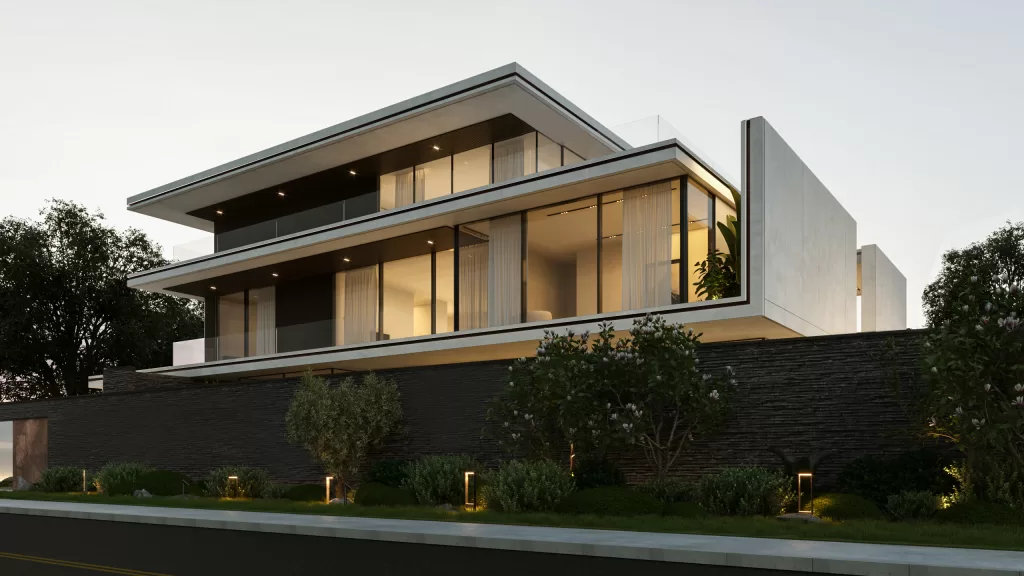
    In the past, grand façades and heavy ornamentation dominated Dubai’s residential architecture. Today, Modern Villa Design in Dubai celebrates openness, light, and balance. Wide glass walls, soft natural materials, and seamless transitions between indoor and outdoor areas create homes that breathe. Every space is designed to serve daily life, emphasizing wellness and harmony rather than excess.

    Smart and sustainable living in Modern Villa Design in Dubai

    Technology and sustainability form the foundation of Modern Villa Design in Dubai. Smart home systems manage lighting, temperature, and security discreetly, while solar energy and efficient insulation reduce consumption. Architects design homes that interact with the desert climate instead of resisting it, ensuring long-term energy efficiency and comfort. These eco-conscious solutions align with global movements toward green architecture and sustainable luxury.

    Local identity and global elegance

    The best examples of Modern Villa Design in Dubai merge contemporary minimalism with traditional Emirati influences. Elements like shaded courtyards, mashrabiya-inspired screens, and local stonework appear in modern reinterpretations. This synthesis of culture and innovation defines the essence of luxury villa design UAE, where beauty is expressed through proportion, authenticity, and functionality.

    Emerging trends in the UAE

    Current villa design trends UAE emphasize personalization and adaptability. Families seek flexible spaces for wellness, creativity, and entertainment—studios, gyms, and home offices integrated seamlessly into the architecture. The result is a new kind of villa: smart, sustainable, and responsive to its residents’ evolving lifestyles.

    Conclusion

    Modern Villa Design in Dubai represents a thoughtful blend of technology, culture, and sustainability. It reflects how Dubai’s architectural identity continues to evolve—setting a benchmark for modern living in the UAE and beyond.

  • Sustainable Architecture in Dubai – Building the Future with Green Design

    Sustainable Architecture in Dubai – Building the Future with Green Design

    Dubai’s skyline has long been a symbol of ambition and rapid growth. Today, that ambition is being refocused through a green lens. Sustainable architecture Dubai is no longer a niche — it’s a strategic priority for developers, city planners, and homeowners who want buildings that reduce environmental impact, lower operating costs, and provide healthier living and working environments. This article explores how green architecture UAE principles are shaping projects across the emirates, the practical strategies behind eco-conscious buildings, and what eco building design Dubai means for the future of construction in the region.

    Why sustainability matters in Dubai

    Dubai’s climate, population growth, and high per-capita resource consumption make sustainability essential. Rising energy demand, water scarcity, and the need to reduce carbon emissions push architects and developers to adopt sustainable architecture Dubai solutions that are climate-responsive and economically smart. In addition to environmental benefits, green buildings deliver measurable value: lower energy bills, increased occupant comfort, higher asset value, and improved regulatory compliance as the UAE moves toward national sustainability targets.

    Sustainable architecture Dubai

    Passive design: the foundation of eco building design Dubai

    At the core of most successful eco building design Dubai projects is passive design — strategies that reduce the need for mechanical heating and cooling. Passive measures include:

    • Orientation and massing: Placing buildings to minimize direct solar gain on façades and maximize natural ventilation.
    • Shading devices: Deep overhangs, louvers, and mashrabiya screens that cut solar heat while allowing daylight.
    • High-performance façade systems: Insulated walls and low-e glazing that reduce heat transfer.
    • Thermal mass: Materials like concrete and stone used strategically to stabilize interior temperatures.

    Passive design is cost-effective and reduces lifecycle energy consumption, making it a cornerstone of green architecture UAE.

    Renewable energy and energy efficiency

    Dubai is investing heavily in renewables and energy efficiency measures, and architecture is a key delivery mechanism. Eco building design Dubai commonly integrates:

    • Solar photovoltaics (PV): Rooftop and façade PV arrays to generate on-site electricity.
    • Efficient MEP systems: Variable refrigerant flow (VRF) HVAC, LED lighting with smart controls, and high-efficiency pumps and motors.
    • Energy recovery systems: Heat recovery ventilation and economizers that reclaim energy from exhaust air.

    Combined, these technologies dramatically reduce net energy demand and help projects align with Dubai’s clean-energy ambitions.

    Water-smart design for an arid environment

    Water is a precious resource in the UAE. Sustainable projects prioritize water efficiency through:

    • Low-flow fixtures and smart meters to monitor and reduce consumption.
    • Greywater recycling for irrigation and non-potable uses.
    • Rainwater harvesting where feasible and designed landscaping with native or drought-tolerant species.
    • Efficient irrigation using drip systems and soil-moisture sensors.

    Thoughtful water strategies are a defining feature of green architecture UAE that respond directly to local environmental constraints.

    Biophilic design and occupant wellbeing

    Sustainability isn’t only about resource efficiency — it’s also about human health. Sustainable architecture Dubai increasingly embraces biophilic design: integrating natural elements, daylighting, and views to improve wellbeing. Indoor plants, green walls, daylight-optimized layouts, and natural materials reduce stress, boost productivity, and improve air quality. Post-pandemic priorities have accelerated demand for buildings that support mental and physical health, making biophilic strategies a practical part of eco-focused design.

    Materials, circularity, and embodied carbon

    Reducing a building’s environmental footprint requires attention to embodied carbon — the emissions associated with producing and transporting materials. Green architecture UAE practices include:

    • Specifying low-carbon materials such as recycled steel, low-carbon concrete mixes, and responsibly sourced timber.
    • Local sourcing to reduce transportation emissions.
    • Design for disassembly and reuse so components can be repurposed at end-of-life.
    • Lifecycle assessment (LCA) to quantify and minimize embodied impacts.

    These approaches align with global best practice and help Dubai projects deliver sustainable outcomes from ground-breaking to decommissioning.

    Certification, regulation, and market drivers

    Dubai and the wider UAE have introduced regulatory frameworks and incentive programs that promote sustainable construction. Certifications such as LEED, Estidama, GSAS, and local green building codes guide project standards and provide market recognition. Developers are motivated by reduced lifecycle costs, higher rental yields, and corporate ESG commitments — all of which make sustainable architecture Dubai a competitive advantage.

    Technology, data, and smart buildings

    Digital tools and smart-building platforms enable ongoing performance optimization. Building management systems that monitor energy, water, and indoor environmental quality allow operators to fine-tune systems and spot inefficiencies. Predictive maintenance, IoT sensors, and data analytics help ensure that eco building design Dubai projects deliver promised savings over time, not just on paper.

    Challenges and opportunities

    Implementing truly sustainable architecture in Dubai has challenges — upfront costs, a shortage of skilled contractors in specialized green technologies, and balancing aesthetic expectations with performance goals. However, these constraints are gradually easing as expertise grows, green materials become more accessible, and government policy supports sustainable investment. Opportunities are vast: retrofitting older buildings, scaling net-zero developments, and experimenting with regenerative design that actively restores urban ecology.

    The future of sustainable architecture in Dubai

    Sustainable architecture Dubai

    The next decade will likely bring deeper integration of circular economy principles, wider adoption of net-zero energy and water targets, and increased use of advanced materials (e.g., low-carbon composites and smart glazing). Sustainable architecture Dubai will move from project-by-project initiatives to mainstream practice — driven by regulation, investor demand, and a societal shift toward resilient, healthy, and low-carbon cities.

    Conclusion

    Sustainable architecture Dubai represents a pragmatic and visionary response to the UAE’s environmental and social challenges. By combining passive design, renewable energy, water-smart strategies, healthy interiors, and circular-material thinking, architects and developers can create buildings that are beautiful, efficient, and resilient. For Dubai to build a sustainable future, green design isn’t optional — it’s essential. Embracing green architecture UAE today ensures the emirates remain globally competitive, environmentally responsible, and inspiring places to live and work tomorrow.

  • Choosing the Right Interior Architecture Firm in Dubai

    Choosing the Right Interior Architecture Firm in Dubai

    Discover how to choose the best interior architecture firm in Dubai by understanding service depth, aesthetic language, and lifestyle alignment.

    Choosing the Right Interior Architecture Firm in Dubai

    When it comes to crafting the perfect villa interior, selecting the right partner is key. At Memar Architecture, we offer full-service design rooted in your lifestyle—and the culture of Dubai.

    interior architecture firm in Dubai

    H2: Why Interior Architecture Matters

    Unlike surface-level design, interior architecture addresses:

    • Structural flow and zoning
    • Natural light and air optimization
    • Built-in systems and smart design

    This ensures long-term comfort, beauty, and value.

    Explore the difference:   Interior Architecture in UAE

    interior architecture firm in Dubai

    H2: Memar’s Unique Approach

    As both architects and interior experts, we:

    • Align interiors with architectural intent
    • Provide seamless design-to-execution services
    • Use site-specific insight to inform every room

    🏡 Sample Projects:


    Conclusion: When choosing among interior companies in Dubai, consider the full picture. Memar offers holistic design excellence that transforms your villa from the inside out.

      Let’s Start Your Interior Journey

  • Interior Design in Dubai – Transforming Villas from Within

    Interior Design in Dubai – Transforming Villas from Within

    Learn how Memar Architecture offers bespoke interior design services in Dubai that elevate every corner of your villa—from majlis to master suites.

    Interior Design in Dubai – Transforming Villas from Within

    A beautiful home begins inside. At Memar Architecture, our expert team of interior designers in Dubai curates spaces that are both luxurious and livable.

    Interior Design in Dubai

    H2: Key Principles of High-End Interior Design

    Our interiors are crafted to reflect:

    • Personal identity
    • Emotional warmth
    • Timeless sophistication

    We focus on:

    • Natural textures like stone, wood, brass
    • Multi-functional layouts
    • Custom lighting and furniture selections

    🏡 See Our Work:

    Interior Design in Dubai

    H2: The Role of Interior Companies in Dubai’s Design Culture

    Dubai is a global design hub—and Memar is at its heart. As one of the most respected interior companies in Dubai, we:

    • Offer full interior architecture services
    • Customize every project to lifestyle and function
    • Prioritize balance between beauty and utility

    Related Reading:   Smart Kitchen Design UAE


    Conclusion: Whether renovating or building from scratch, our team of expert interior designers in Dubai ensures every corner tells your story.

      Explore Our Interior Projects