Tag: Architecture in the UAE

  • Contemporary Home Design Ideas for Urban Living

    Contemporary Home Design Ideas for Urban Living

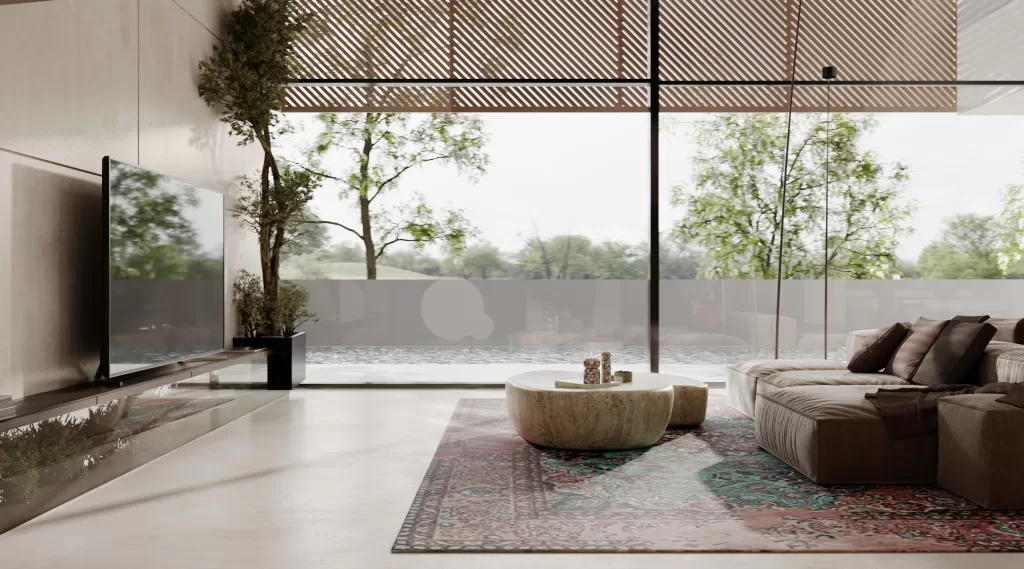
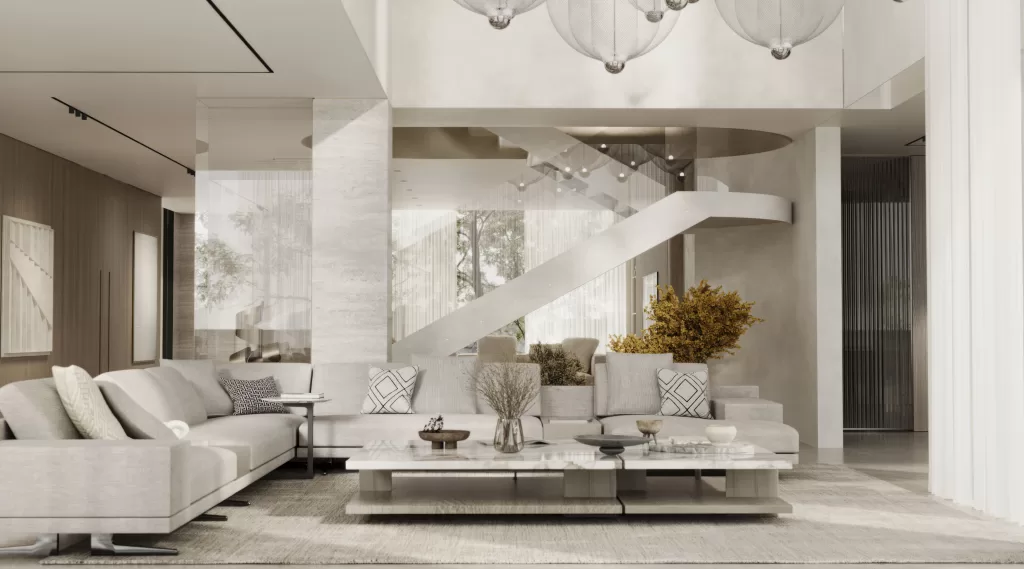
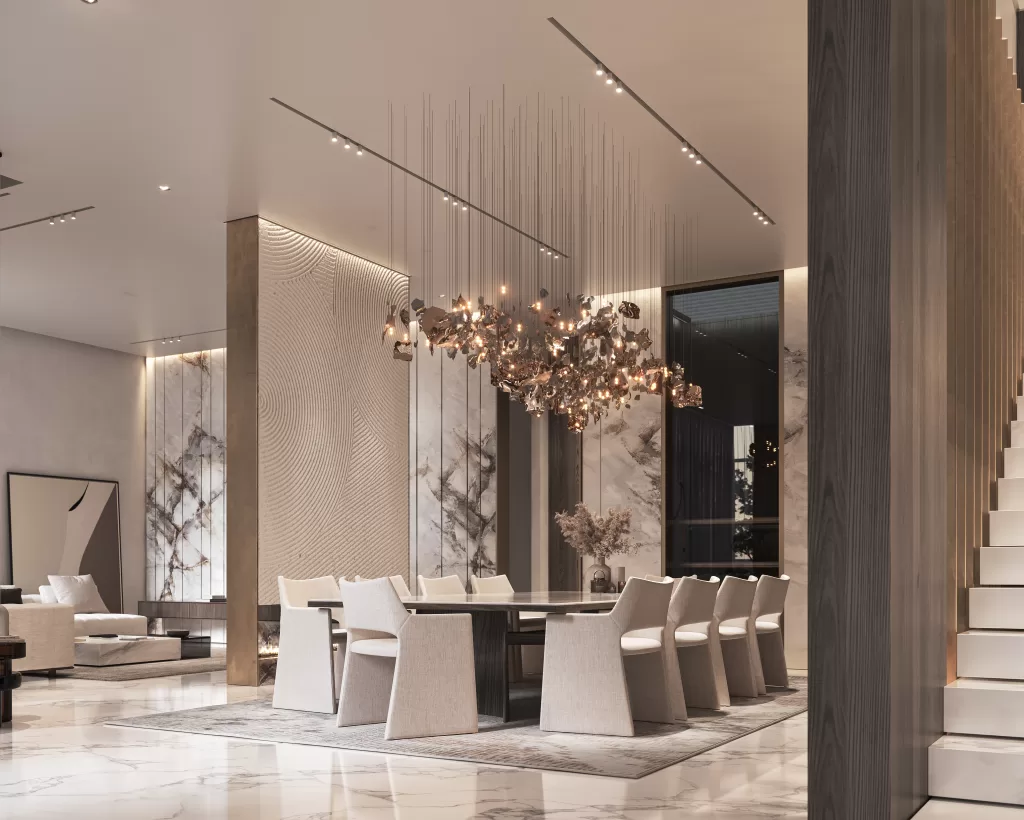
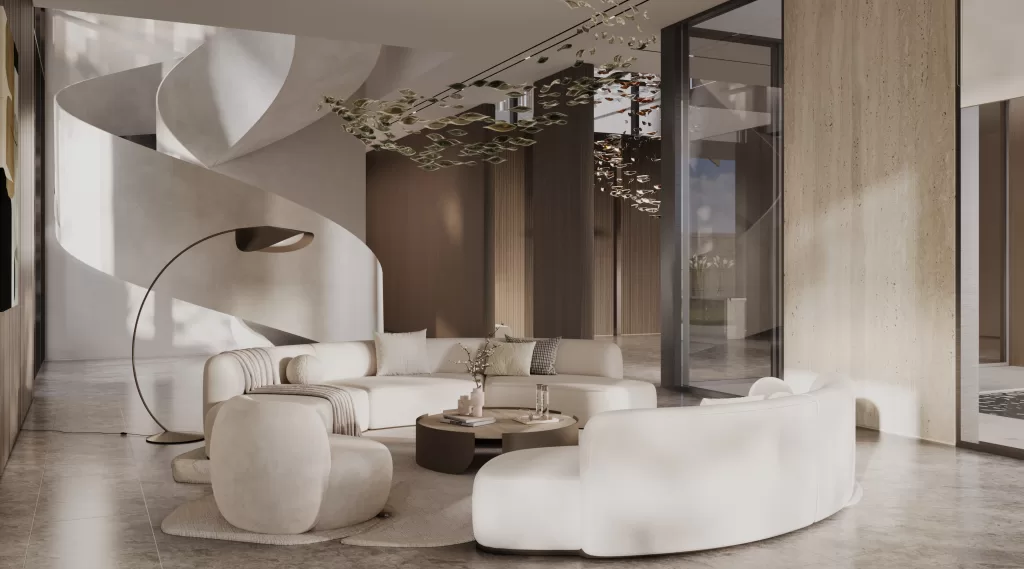
    Contemporary Home Design Ideas for Urban Living are reshaping how people experience city life, offering a perfect balance between style, functionality, and comfort. As urban spaces become more compact and dynamic, modern homeowners are seeking innovative design solutions that maximize space, enhance aesthetics, and improve overall quality of living. This article explores the latest trends and practical ideas for creating contemporary homes in urban environments.


    The Rise of Contemporary Urban Living
    Home Design

    Urban living has evolved significantly in recent years. Today, Contemporary Home Design Ideas for Urban Living focus on creating efficient, stylish, and adaptable spaces that cater to modern lifestyles.

    • Space optimization is essential

    • Urban homes are often smaller, requiring creative layouts and multifunctional furniture.

    • Lifestyle-driven design

    • Homes are designed to accommodate work, relaxation, and social interaction within limited space.

    • Aesthetic simplicity

    • Clean lines and minimalistic elements dominate modern apartment interiors.

    Key Elements of Contemporary Home Design

    Modern urban homes are defined by several core design principles:

    • Open floor plans

    • Combining kitchen, dining, and living areas into one cohesive space.

    • Natural light integration

    • Large windows and glass elements to create a bright and open atmosphere.

    • Neutral color palettes

    • Shades like white, beige, and grey dominate contemporary interiors.

    • Functional furniture

    • Multi-purpose furniture plays a key role in small space living ideas.

    Smart Solutions for Small Urban Spaces
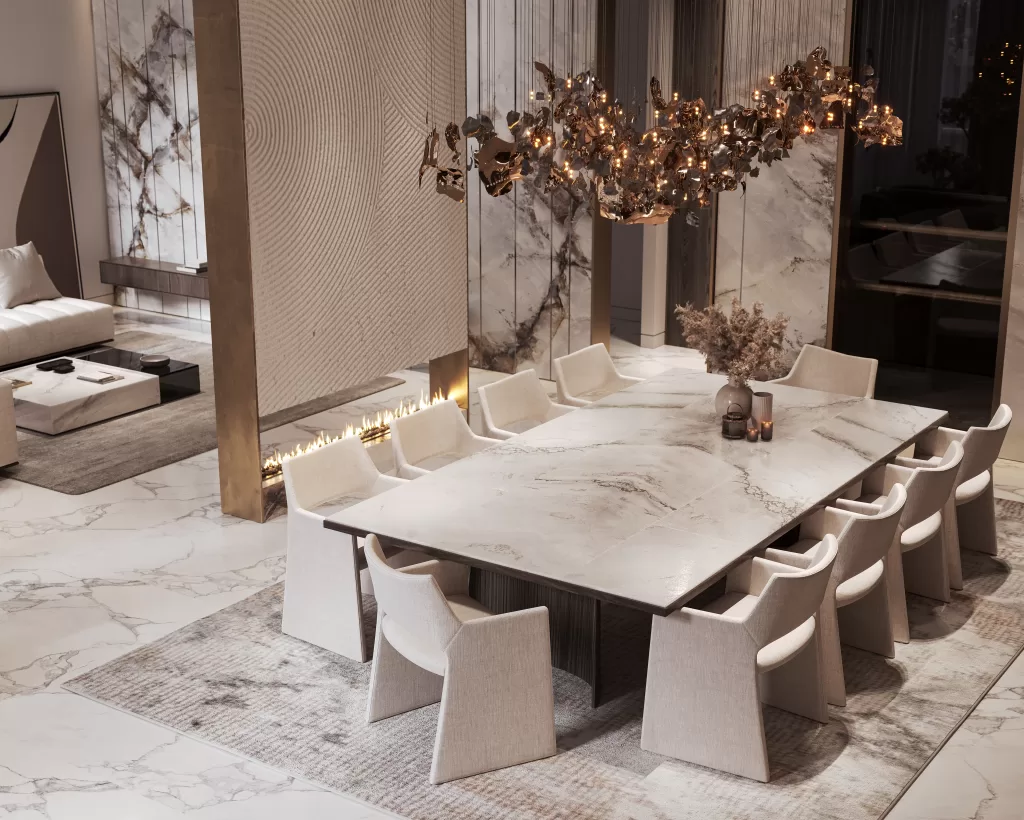
    Home Design

    One of the biggest challenges in urban living is limited space. Here are effective urban home design solutions:

    • Multi-functional furniture

    • Sofa beds, foldable tables, and storage-integrated beds.

    • Vertical storage systems

    • Utilizing wall space for shelves and cabinets to reduce clutter.

    • Hidden storage areas

    • Built-in compartments under stairs or furniture.

    • Sliding doors instead of traditional doors

    • Saves space and enhances flexibility in room usage.

    Incorporating Technology in Urban Homes

    Technology is transforming the way urban homes are designed and used.

    • Smart lighting systems

    • Adjustable lighting that adapts to mood and time of day.

    • Automated climate control

    • Smart thermostats for energy efficiency and comfort.

    • Integrated home systems

    • Control security, appliances, and entertainment through mobile devices.

    • Voice-controlled assistants

    • Essential components of smart urban homes.

    Modern Apartment Design Trends
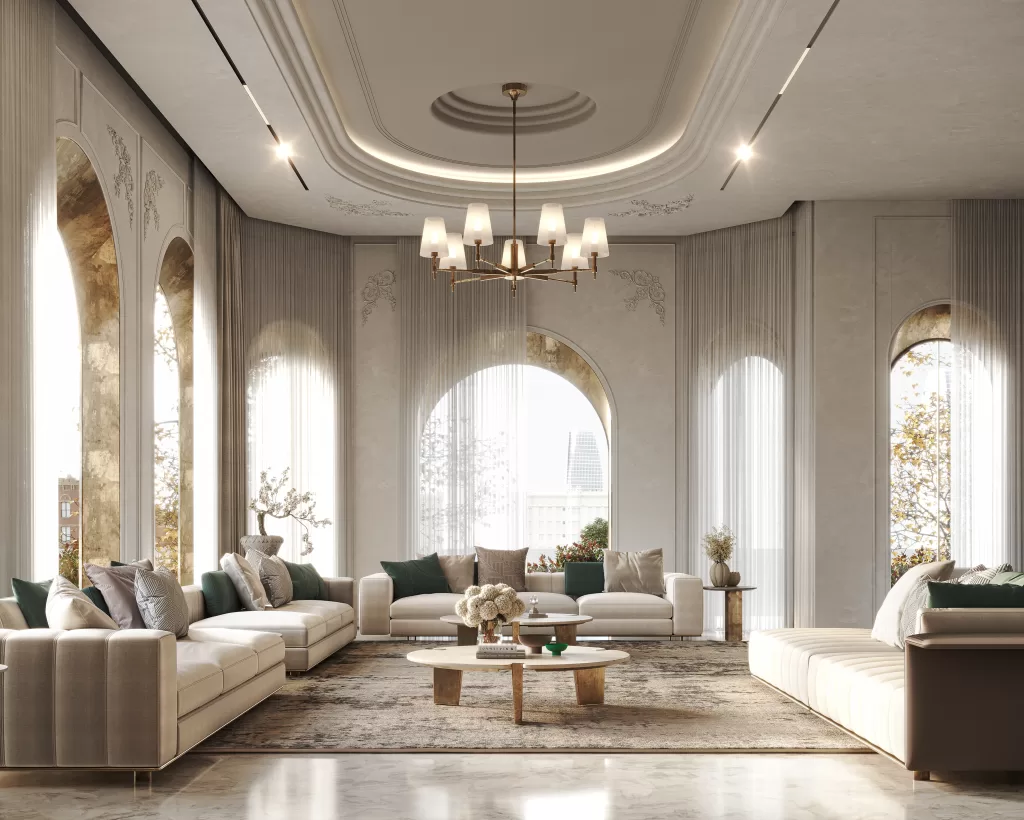
    Home Design

    Urban apartments are embracing new design trends that combine practicality with elegance:

    • Minimalist interiors

    • Decluttering spaces to create a clean and modern look.

    • Industrial design elements

    • Exposed concrete, metal finishes, and raw textures.

    • Biophilic design

    • Incorporating plants and natural elements into living spaces.

    • Flexible living areas

    • Spaces that can transform from workstations to relaxation zones.

    These trends are shaping modern apartment design ideas across cities worldwide.


    Tips for Designing a Contemporary Urban Home

    To create a successful contemporary urban home, consider these practical tips:

    • Prioritize functionality

    • Every piece of furniture should serve a purpose.

    • Maximize natural light

    • Use light curtains and reflective surfaces to enhance brightness.

    • Choose quality over quantity

    • Invest in fewer but high-quality design elements.

    • Maintain a cohesive design theme

    • Ensure colors, materials, and furniture styles complement each other.

    • Incorporate personal style

    • Add unique touches that reflect your personality and lifestyle.

    Benefits of Contemporary Urban Home Design

    Adopting Contemporary Home Design Ideas for Urban Living offers several advantages:

    • Improved space efficiency

    • Smart layouts make the most of limited square footage.

    • Enhanced comfort and usability

    • Thoughtful design improves daily living experiences.

    • Increased property value

    • Modern designs are highly attractive to buyers and investors.

    • Better organization and reduced clutter

    • Smart storage solutions create cleaner living environments.

    Frequently Asked Questions about Contemporary Home Design Ideas for Urban Living

    • What defines contemporary home design in urban areas?

    • It focuses on simplicity, functionality, and modern aesthetics while optimizing limited space.

    • How can I make a small apartment feel bigger?

    • Use light colors, mirrors, and multi-functional furniture to create an illusion of space.

    • Are smart home features necessary for urban living?

    • They are not essential but greatly improve convenience, security, and energy efficiency.

    • What is the best style for urban homes?

    • Minimalist and contemporary styles are most suitable due to their clean and practical approach.

    Conclusion

    Contemporary Home Design Ideas for Urban Living are redefining how people experience life in cities. By combining smart solutions, modern aesthetics, and innovative technologies, urban homes can become highly functional and visually appealing spaces.

    As cities continue to grow and living spaces become more compact, adopting contemporary design principles is no longer optional—it is essential. Whether you are designing a new home or upgrading your current space, these ideas will help you create a modern, comfortable, and efficient urban lifestyle.
  • The Complete Checklist for Choosing an Architect in Dubai – Expert Tips

    The Complete Checklist for Choosing an Architect in Dubai – Expert Tips

    Architect in Dubai selection is one of the most critical decisions you will make when planning a residential or commercial project in the UAE. Choosing the right Architect in Dubai ensures your vision is translated into functional, compliant, and aesthetically outstanding architecture. From understanding local regulations to delivering innovative design solutions, the right professional can significantly impact your project’s success, timeline, and budget.
    This comprehensive guide provides expert insights and a practical checklist to help you confidently select the ideal architectural partner.

    Why Hiring the Right Architect in Dubai Matters


    Dubai’s architectural landscape is globally recognized for innovation and luxury. However, behind every successful structure lies detailed planning, regulatory knowledge, and technical expertise.
    Working with an experienced Architect in Dubai offers:

    • Deep understanding of local building regulations
    • Strong coordination with contractors and consultants
    • Climate-responsive design solutions
    • Efficient space planning and functionality
    • Long-term value optimization
      A qualified architect does far more than design beautiful buildings—they manage risk, ensure compliance, and enhance investment returns.

    Verify Credentials and Professional Licensing


    Before evaluating portfolios or pricing, confirm professional legitimacy. Dubai has strict regulatory requirements for architectural practice.
    Important verification steps include:

    • Confirm registration with relevant Dubai authorities
    • Review academic qualifications and certifications
    • Assess years of local market experience
    • Request proof of completed and approved projects
      Understanding local compliance standards is essential when navigating approvals and permits within Dubai’s construction sector.

    Review the Architect’s Portfolio Carefully

    Architect in Dubai


    An architect’s portfolio reveals design philosophy, creativity, and technical capability. Look beyond visuals—analyze functionality and diversity.
    When reviewing a portfolio, consider:

    • Experience in villa design Dubai projects
    • Range of architectural styles delivered
    • Attention to detail in layout and façade design
    • Integration of sustainability and innovation
      A strong portfolio demonstrates both aesthetic sensitivity and technical proficiency.

    Assess Communication and Project Management Skills


    Successful projects rely on clear communication and structured coordination. An architect should demonstrate transparency and professionalism from the first consultation.
    Key indicators include:

    • Clear explanation of design process stages
    • Transparent fee structure
    • Defined project timeline and milestones
    • Strong coordination approach with contractors
      Effective project management minimizes delays and unexpected costs.

    Understand Their Design Approach

    Architect in Dubai


    Every architect brings a unique creative perspective. Make sure their vision aligns with your expectations.
    Questions to explore:

    • Do they prioritize sustainable architecture UAE principles?
    • How do they adapt designs to Dubai’s climate?
    • Can they balance luxury with practicality?
    • Are they open to customization and revisions?
      An architect who integrates sustainability and innovation adds long-term value to your property.

    Evaluate Technical and Engineering Collaboration


    Architecture is not just conceptual design—it requires coordination with structural engineers, MEP consultants, and contractors.
    Look for:

    • Strong multidisciplinary collaboration
    • Experience with complex structural solutions
    • Knowledge of advanced construction techniques
    • Familiarity with modern architectural services Dubai standards
      Comprehensive architectural services reduce fragmentation and improve execution quality.

    Budget Transparency and Contract Clarity


    Clear financial agreements protect both parties and prevent disputes.
    Before signing a contract, ensure:

    • Detailed scope of work documentation
    • Clear breakdown of design and supervision fees
    • Defined payment schedule
    • Clarification of revision policies
      A professional Architect in Dubai provides structured agreements that outline expectations clearly.

    Site Knowledge and Local Experience


    Dubai’s urban planning guidelines vary across communities and free zones. Experience within specific areas is a valuable advantage.
    Local expertise ensures:

    • Faster approval processes
    • Compliance with community design codes
    • Efficient navigation of authority submissions
    • Better understanding of construction logistics
      An architect familiar with Dubai’s neighborhoods can anticipate regulatory requirements early in the process.

    Sustainability and Innovation Capabilities


    As environmental responsibility grows, sustainable architecture UAE practices are increasingly important.
    Evaluate whether the architect incorporates:

    • Energy-efficient façade systems
    • Solar integration solutions
    • Smart home automation readiness
    • Eco-friendly material selection
      Forward-thinking design contributes to operational savings and enhanced property value.

    Client Reviews and Testimonials


    Reputation reflects consistency and reliability. Seek references from past clients to evaluate satisfaction levels.
    Ask about:

    • Adherence to deadlines
    • Budget management efficiency
    • Communication responsiveness
    • Post-completion support
      Positive testimonials indicate professionalism and long-term client trust.

    Frequently Asked Questions About Choosing an Architect in Dubai

    • How much does it cost to hire an architect in Dubai?
      Fees vary depending on project scope and complexity, typically calculated as a percentage of construction cost or as a fixed design fee.
    • Is local experience important when selecting an architect?
      Yes, local knowledge ensures compliance with regulations, smoother approvals, and better climate-adapted design solutions.
    • Should I choose an architect based solely on design style?
      No, design quality is important, but technical expertise, communication skills, and project management ability are equally essential.

    Final Thoughts: Making the Right Architectural Choice


    Choosing the right Architect in Dubai is a strategic investment in your project’s success. Beyond aesthetics, the architect influences cost control, compliance efficiency, sustainability performance, and overall construction quality.
    By carefully evaluating credentials, portfolio strength, communication skills, and technical expertise, you can confidently select a professional who aligns with your vision and delivers exceptional results.
    A well-chosen architect transforms ideas into enduring architectural statements—ensuring your Dubai project meets both creative aspirations and practical expectations.

  • Ultimate Guide to Modern Villa Architecture in Dubai 2026

    Ultimate Guide to Modern Villa Architecture in Dubai 2026

    Modern Villa Architecture in Dubai continues to evolve in 2026, redefining luxury living through innovation, sustainability, and personalized design concepts. As Dubai strengthens its global reputation for architectural excellence, villas are no longer just residences—they are statements of identity, technology, and refined lifestyle.

    This ultimate guide explores the trends, design principles, materials, and investment value shaping the future of villa design across the emirate.


    The Evolution of Modern Villa Architecture in Dubai

    Modern Villa Architecture in Dubai

    Over the past decade, Dubai has shifted from ornate, traditional luxury toward sleek, intelligent, and environmentally conscious designs. Today, Modern Villa Architecture in Dubai reflects a perfect balance between minimalist aesthetics and high-end functionality.

    Architects now prioritize:

    • Seamless indoor-outdoor integration
    • Clean geometric lines
    • Sustainable building strategies
    • Smart home integration

    The focus is no longer only on visual grandeur but on how spaces improve daily living experiences.


    Key Design Principles Shaping 2026 Trends

    Villa architecture in 2026 is defined by a fusion of innovation and comfort. Designers are embracing a future-forward mindset while maintaining cultural sensitivity.

    Open-plan living spaces that enhance natural flow and flexibility
    • Floor-to-ceiling glass façades maximizing daylight
    • Neutral color palettes with natural textures
    • Integrated landscaping as part of architectural identity
    • Smart automation systems controlling lighting, climate, and security

    These elements create villas that feel expansive, bright, and technologically advanced.


    Sustainability as a Core Architectural Element

    Sustainability is no longer optional. Developers and homeowners increasingly demand eco-conscious solutions in luxury properties.

    Modern villas now include:

    • Solar energy systems
    • High-performance insulation
    • Energy-efficient glazing
    • Water-saving landscaping techniques

    Sustainable villa design not only reduces environmental impact but also enhances long-term property value. Green architecture has become a defining feature of contemporary high-end homes.


    Luxury Redefined: Beyond Aesthetic Appeal

    Modern Villa Architecture in Dubai

    Luxury in 2026 goes beyond marble finishes and grand entrances. It now revolves around personalization and experience.

    Modern villa projects often feature:

    • Private wellness areas
    • Home cinemas
    • Infinity-edge pools
    • Rooftop entertainment spaces
    • Custom interior design tailored to lifestyle needs

    This transformation reflects Dubai’s dynamic real estate market, where buyers seek exclusivity combined with comfort.


    Smart Technology Integration in Modern Villas

    Technology plays a crucial role in shaping the future of high-end residential design. Smart systems are fully embedded within architectural planning rather than added later.

    Homeowners can control:

    • Lighting moods
    • Climate zones
    • Security monitoring
    • Automated shading systems

    This seamless integration enhances convenience while preserving clean architectural lines.


    Architectural Materials Defining 2026

    Material selection significantly impacts both aesthetics and durability. Architects in Dubai are combining natural materials with innovative finishes.

    Common materials include:

    • Natural stone and travertine
    • Sustainable timber accents
    • Textured concrete
    • High-performance glass panels
    • Metal cladding with matte finishes

    These materials contribute to durability in Dubai’s climate while maintaining modern elegance.


    Investment Value of Modern Villa Architecture in Dubai

    Dubai’s real estate market continues to attract international investors. High-quality villa design significantly influences property appreciation.

    Investors prioritize properties that offer:

    • Prime locations
    • Architectural uniqueness
    • Energy-efficient performance
    • Strong rental potential

    Well-designed villas with forward-thinking architecture stand out in competitive markets and maintain long-term value.


    Customization and Client-Centered Design

    One of the defining features of luxury villa development is personalization. Architects work closely with homeowners to translate lifestyle needs into spatial solutions.

    Customization may include:

    • Multi-generational living layouts
    • Private office suites
    • Art-focused gallery spaces
    • Outdoor majlis areas
    • Private gym or spa facilities

    This approach ensures each villa becomes a reflection of its owner’s vision.


    Challenges in Modern Villa Development

    Despite its growth, villa architecture in Dubai presents unique challenges:

    • Climate adaptation
    • Balancing privacy with openness
    • Regulatory compliance
    • Construction cost management

    Successful projects rely on experienced architectural teams capable of merging creativity with technical precision.


    Frequently Asked Questions About Modern Villa Architecture in Dubai

    • What makes modern villas in Dubai different from traditional designs?
      Modern villas focus on minimalism, sustainability, and smart technology rather than ornamental details and heavy decorative elements.
    • Is sustainable design expensive in luxury villas?
      Initial costs may be higher, but energy efficiency and long-term savings often offset the investment.
    • Are modern villas a good real estate investment in 2026?
      Yes, high-quality contemporary designs in prime locations continue to show strong capital appreciation.

    The Future Outlook for Villa Architecture in Dubai

    Looking ahead, innovation will remain central to architectural evolution. Designers are expected to experiment with adaptive façades, advanced climate-responsive materials, and AI-powered home systems.

    As Dubai continues to lead global luxury real estate trends, Modern Villa Architecture in Dubai will remain a symbol of progress, sophistication, and visionary urban living.

  • Innovative Exterior Design in Dubai – Creating Iconic Residential Spaces

    Innovative Exterior Design in Dubai – Creating Iconic Residential Spaces

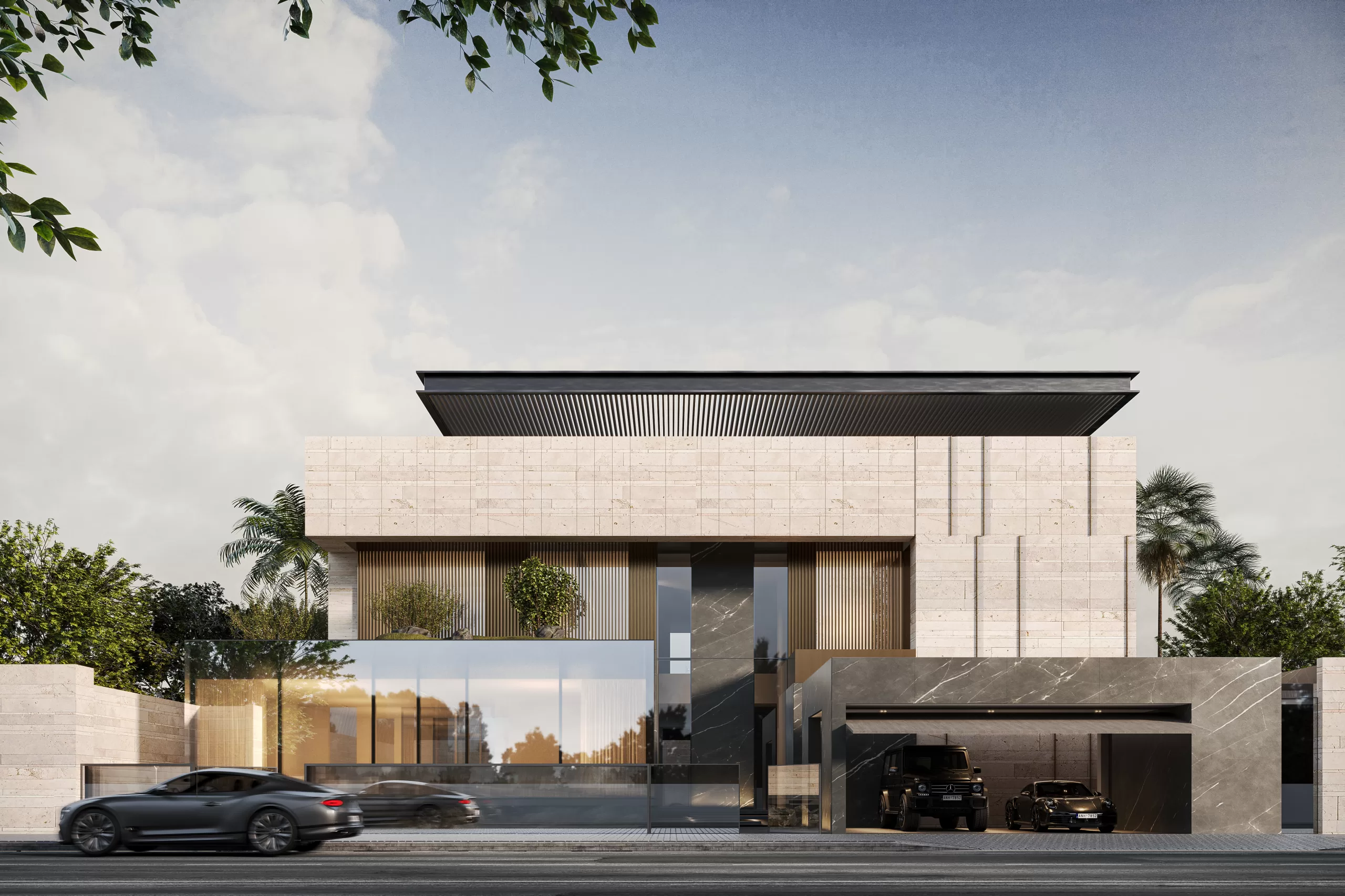
    Innovative exterior design in Dubai reflects the city’s ambition to redefine residential architecture through bold concepts, advanced materials, and lifestyle-driven design. As Dubai continues to set global benchmarks in real estate and architecture, exterior design has become a defining element in creating iconic residential spaces that combine luxury, functionality, and identity.

    This article explores how innovation shapes exterior residential design in Dubai, the principles behind standout façades, emerging trends, and the factors that transform houses into architectural landmarks.

    The Importance of Exterior Design in Dubai’s Residential Architecture

    Exterior design in Dubai’s residential architecture plays a defining role in shaping the identity of a home. It is the first interaction between the building and its surroundings, setting expectations before one steps inside.

    In a city known for architectural ambition, exterior design goes beyond visual appeal. It communicates lifestyle, status, and cultural awareness while responding to environmental conditions. Facade composition, proportions, and material choices must work together to create a strong yet refined presence.

    A well-designed exterior enhances functionality as much as aesthetics. Elements such as balconies, shading systems, landscaped boundaries, and entry sequences improve comfort, privacy, and usability. These components help transform outdoor spaces into extensions of the living environment.

    Moreover, exterior design influences long-term value. Homes with thoughtfully designed facades age better, maintain relevance, and stand out in competitive residential markets. This makes exterior architecture a strategic investment rather than a purely stylistic choice.

    In Dubai’s evolving residential landscape, exterior design is no longer an afterthought—it is a central factor in defining architectural quality and lasting appeal.

    What Defines Innovative Exterior Design?

    Exterior Design in Dubai

    Innovation in exterior design goes beyond aesthetics. It involves a strategic balance between creativity, performance, and sustainability. Modern residential exteriors in Dubai often focus on:

    • Clean architectural lines
    • Intelligent material selection
    • Seamless indoor-outdoor transitions
    • Advanced shading and cooling solutions

    These elements work together to create homes that are visually striking and environmentally responsive.

    Key Principles Shaping Residential Exteriors in Dubai

    1. Climate-Responsive Architecture

    Dubai’s climate demands thoughtful exterior solutions. Designers prioritize features that reduce heat gain and enhance comfort, such as:

    Deep overhangs and shading screens

    • Insulated façades
    • Ventilated wall systems
    • Strategic window placement

    These features improve energy efficiency while maintaining visual elegance.

    2. Material Innovation and Textural Contrast

    Modern residential façades often combine multiple materials to create depth and character. Popular exterior materials include:

    • Natural stone and marble
    • Architectural concrete
    • Glass and metal panels
    • Wood-inspired composite finishes

    The careful layering of textures adds sophistication and timeless appeal.

    3. Seamless Integration with Landscape Design

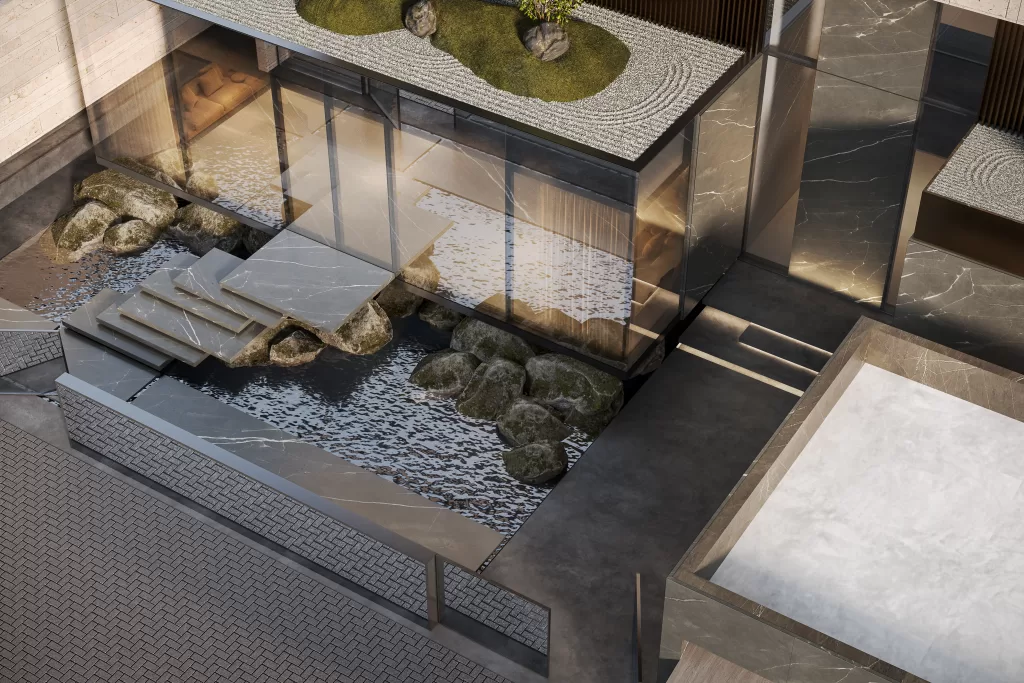
    Exterior design in Dubai frequently blends architecture with outdoor environments. Gardens, terraces, and courtyards are designed as extensions of the home rather than separate elements.

    This approach enhances privacy, encourages outdoor living, and creates harmony between built form and nature.

    Architectural Styles Influencing Dubai’s Residential Exteriors

    Dubai’s residential architecture is shaped by a mix of global and regional influences. Common styles include:

    • Contemporary minimalism
    • Modern Mediterranean villas
    • Arabic-inspired modern façades
    • Resort-style luxury residences

    Each style is adapted to local conditions while maintaining a unique visual identity.

    The Role of Technology in Exterior Design Innovation

    Advanced technology has transformed how exterior designs are conceived and executed. Architectural teams increasingly rely on:

    3D visualization and rendering

    Parametric design tools

    Smart façade systems

    High-performance glazing technologies

    These tools allow for precision, creativity, and better client collaboration throughout the design process.

    Sustainability in Residential Exterior Design

    Sustainability has become a central design priority. Many residential projects incorporate eco-conscious strategies such as:

    • Solar shading systems
    • Energy-efficient lighting
    • Low-maintenance exterior materials
    • Passive cooling techniques

    These features reduce long-term operational costs and align with Dubai’s sustainability vision.

    👉 Explore Our Projects

    Innovative Exterior Design in Dubai: From Concept to Reality

    Exterior Design in Dubai

    The success of innovative exterior design in Dubai depends on a collaborative design process. Architects, engineers, and landscape designers work closely to ensure that every façade detail serves both aesthetic and functional goals.

    From early concept sketches to construction execution, attention to detail ensures consistency and architectural integrity.

    Design Elements That Create Iconic Residential Spaces

    Iconic homes are defined by thoughtful exterior elements, including:

    Distinctive entrance features

    Balanced proportions and symmetry

    Signature lighting design

    Customized façade patterns

    These details transform residential buildings into recognizable landmarks.

    How Exterior Design Enhances Property Value

    High-quality exterior design significantly impacts market perception. Homes with innovative façades often benefit from:

    • Stronger resale appeal
    • Higher rental value
    • Long-term durability
    • Timeless architectural presence

    Investing in exterior design is therefore both an aesthetic and financial decision.

    Frequently Asked Questions

    What makes exterior residential design innovative?

    Innovation comes from combining advanced materials, climate-responsive solutions, and unique architectural concepts tailored to lifestyle needs.

    Is modern exterior design suitable for Dubai’s climate?

    Yes, when designed correctly, modern exteriors enhance comfort and energy efficiency.

    Does exterior design affect property value?

    Absolutely. A well-designed exterior improves curb appeal and long-term market value.

    Conclusion

    Innovative exterior design in Dubai continues to redefine residential architecture by merging creativity, technology, and sustainability. Through thoughtful planning and execution, exterior design transforms houses into iconic living spaces that reflect both individuality and the city’s architectural ambition.

    As residential expectations evolve, exterior design remains a powerful tool in shaping the future of luxury living in Dubai.

    Memar embeds these principles in standout residential designs such as:

    Mr. Shahid Ahmad Villa

    Mr. Sweidy Villa

    Mr. Ghazi Villa

  • Exterior Home Design Ideas: Creating a Striking and Functional First Impression

    Exterior Home Design Ideas: Creating a Striking and Functional First Impression

    The exterior of a home is more than just walls and finishes; it is the visual identity of the house and the first impression it gives to visitors and residents alike. Well-planned Exterior Home Design Ideas focus on achieving a balance between aesthetics, durability, and functionality. From choosing the right materials to understanding architectural harmony, exterior design plays a major role in defining comfort, style, and property value.

    In modern housing trends, homeowners are paying increasing attention to outdoor spaces and facades, ensuring that exterior elements complement interior layouts while responding to climate and lifestyle needs.

    Why Exterior Design Matters More Than Ever

    Exterior design is no longer limited to visual appeal. A carefully designed exterior contributes to:

    • Enhanced curb appeal
    • Increased market value
    • Better energy efficiency
    • Long-term material durability

    Thoughtful outdoor architectural design can reduce maintenance costs and improve thermal performance, especially in regions with extreme weather conditions. The exterior becomes a protective shell as well as a visual statement.

    Modern Exterior Design Trends for Homes

    Exterior Home Design

    Clean Lines and Balanced Proportions

    One of the most noticeable trends in modern exterior house design is simplicity. Clean geometric lines, neutral color palettes, and uncluttered forms dominate contemporary facades. This approach emphasizes structure rather than decoration, allowing materials and proportions to speak for themselves.

    Material Combinations for Visual Depth

    Blending materials such as natural stone, wood panels, concrete, and glass adds richness to home facade design without overwhelming the structure. Strategic contrasts create visual interest while maintaining architectural harmony.

    Sustainable and Eco-Friendly Choices

    Sustainability has become a key factor in exterior renovation ideas. Using environmentally responsible materials, reflective finishes, and energy-efficient cladding helps reduce environmental impact while improving comfort.

    The Role of Home Facade Design in Property Value

    A well-designed facade directly affects how a property is perceived in the market. Homebuyers often make decisions based on exterior appearance before even entering the house. Facade elements such as lighting, textures, and entrance design can significantly enhance perceived quality.

    Key considerations include:

    • Symmetry and alignment
    • Window placement and framing
    • Entrance visibility and scale

    A strong facade creates a sense of coherence and architectural confidence.

    Outdoor Architectural Design: Beyond the Walls

    Exterior Home Design

    Exterior design extends beyond the main structure to include outdoor living areas. Patios, terraces, gardens, and pathways are essential components of outdoor architectural design that contribute to daily comfort.

    Thoughtful planning ensures smooth transitions between indoor and outdoor spaces, encouraging natural light and ventilation. Shaded seating areas, landscape integration, and outdoor lighting all play a role in creating a functional exterior environment.

    Exterior Renovation Ideas for Existing Homes

    Updating an existing home exterior does not always require a complete rebuild. Strategic improvements can dramatically change appearance and performance.

    Effective exterior renovation ideas include:

    • Updating exterior finishes or colors
    • Replacing outdated doors and windows
    • Improving landscape design
    • Adding architectural lighting

    Small changes, when executed professionally, can modernize a home while preserving its original character.

    👉 Explore Our Projects

    Color Selection and Visual Harmony

    Color plays a critical role in exterior design. Neutral shades such as beige, gray, and off-white remain popular, but accent colors are increasingly used to highlight architectural features.

    When selecting colors, it is essential to consider surrounding environments, roof materials, and natural lighting. Balanced color schemes enhance cohesion and prevent visual fatigue.

    Climate-Responsive Exterior Design

    Climate conditions heavily influence material choice and design strategy. In hot regions, light-colored finishes and ventilated facades help reduce heat absorption. In colder climates, insulated cladding and wind-resistant materials are essential.

    Successful Exterior Home Design Ideas always account for local environmental factors to ensure comfort and longevity.

    Lighting as a Design Element

    Exterior lighting is not only functional but also architectural. Proper illumination highlights textures, emphasizes forms, and enhances nighttime safety.

    Wall washers, pathway lights, and subtle accent lighting can transform a home’s appearance after sunset without excessive brightness.

    Final Thoughts

    A well-executed exterior design is an investment in both lifestyle and property value. By applying thoughtful Exterior Home Design Ideas, homeowners can create welcoming, durable, and visually appealing spaces that stand the test of time.

    Whether designing a new home or upgrading an existing one, focusing on materials, proportions, and environmental harmony ensures an exterior that reflects modern living while remaining timeless.

    Memar embeds these principles in standout residential designs such as:

    Mr. Shahid Ahmad Villa

    Mr. Sweidy Villa

    Mr. Ghazi Villa

  • Best Architecture Companies in Dubai: A Complete Guide to Innovation & Modern Design

    Best Architecture Companies in Dubai: A Complete Guide to Innovation & Modern Design

    Identify the best architecture companies in Dubai and learn how the city’s leading firms combine innovation, sustainability, and world-class design to shape the future of urban development.


    Dubai has transformed from a desert landscape into one of the world’s most iconic architectural capitals. From futuristic skyscrapers to luxurious residential communities, the city is home to some of the best architecture companies in Dubai, firms that push the boundaries of creativity, technology, and sustainability. With constant competition and rapid development, architectural practices in Dubai play a major role in shaping not only the skyline but also the lifestyle and cultural identity of the region.

    The Rise of Architectural Excellence in Dubai

    Best Architecture Companies in Dubai

    Dubai’s growth has been nothing short of extraordinary, and this progress is strongly tied to its architectural innovation. The city’s ambitious vision has encouraged both local and global firms to develop groundbreaking concepts that reflect luxury, functionality, and cultural depth.

    Many of the architectural design firms in the UAE focus on integrating global trends with regional needs, such as climate-responsive buildings and advanced environmental controls. This combination sets the stage for Dubai to remain a global reference point for architectural brilliance.

    What Makes the Best Architecture Companies in Dubai Stand Out?

    1. Cutting-Edge Design Philosophy

    The best architecture companies in Dubai are known for adopting a design philosophy that blends modern aesthetics with cultural authenticity. Firms constantly explore new forms, materials, and technologies to introduce fresh architectural identities.

    This approach contributes significantly to the evolution of Dubai modern architecture, where each new project becomes part of a constantly growing visual narrative.

    2. Focus on Sustainability

    Dubai’s architectural landscape is increasingly shifting toward sustainable building solutions, as the government and private sector promote greener design practices. Top architecture firms now integrate:

    • Solar energy systems
    • Efficient cooling technologies
    • Recycled building materials
    • Smart water-management systems

    This commitment reflects the global shift toward environmentally responsible construction and ensures long-term value for urban communities.

    3. Advanced Use of Technology

    From Building Information Modeling (BIM) to AI-assisted planning, architectural companies in Dubai utilize cutting-edge digital tools to develop precise and efficient designs. These technologies support collaboration between architects, engineers, and developers, ensuring seamless execution from concept to completion.

    Best Architecture Companies in Dubai

    Key Areas Where Dubai Architecture Firms Excel

    Urban Planning & Community Development

    Firms focusing on urban development in Dubai play a major role in creating smart, connected, and sustainable neighborhoods. These developments emphasize walkability, access to public spaces, and mixed-use communities that enhance quality of life.

    Luxury Residential Projects

    Dubai’s reputation for luxurious living has pushed architecture firms to design residential spaces that merge elegance with functionality. These include:

    • High-end villas
    • Waterfront residences
    • Vertical residential towers

    The city continues to attract global investors because of its iconic, well-planned residential offerings.

    Commercial & Corporate Buildings

    Many companies specialize in designing modern business towers, commercial complexes, and innovative office spaces. With Dubai being a global business hub, firms focus on creating energy-efficient, flexible, and tech-ready structures suitable for the future of work.


    Memar embeds these principles in standout residential designs such as:

    Mr. Shahid Ahmad Villa

    Mr. Sweidy Villa

    Mr. Ghazi Villa


    Top Qualities to Look for When Choosing an Architecture Firm

    When identifying the best architecture companies in Dubai, clients should evaluate several important factors:

    1. Portfolio Diversity

    The firm’s past projects should demonstrate expertise across multiple sectors—residential, commercial, hospitality, and urban planning.

    2. Sustainability Commitment

    Check whether the company prioritizes eco-friendly designs and utilizes sustainable building solutions.

    3. Innovation & Creativity

    The firm must demonstrate the ability to think beyond traditional concepts and embrace new architectural methods inspired by Dubai modern architecture.

    4. Client-Centered Approach

    The best firms communicate clearly with clients, understand project goals, and incorporate client input into the design process.

    5. Technical Capabilities

    Evaluate the firm’s use of advanced digital tools, construction coordination, and engineering expertise.

    Why Dubai Attracts World-Class Architectural Talent

    Best Architecture Companies in Dubai

    Dubai provides unparalleled opportunities for architects and designers. The city’s willingness to invest in visionary projects, coupled with its global exposure, makes it a highly attractive destination for both established firms and emerging talents. Government initiatives also support innovation, green building standards, and technological advancements in the construction industry.

    Additionally, large-scale projects such as cultural landmarks, entertainment districts, and futuristic smart cities continue to position Dubai as a global leader in urban development in Dubai and architectural excellence.

    Future Trends That Will Shape Dubai’s Architectural Landscape

    The best architecture companies in Dubai are expected to focus on several key trends in the coming years:

    1. Smart Cities & Digital Integration

    Buildings will increasingly incorporate digital infrastructure, automation, and AI-powered monitoring systems.

    2. Sustainable & Net-Zero Buildings

    More firms will adopt environmentally conscious strategies, pushing sustainability to the forefront of design.

    3. Mixed-Use Developments

    Integrated neighborhoods combining living, shopping, dining, and entertainment will continue to grow.

    4. Human-Centered Design

    Designs will prioritize well-being, comfort, natural light, and green spaces—reflecting global shifts in modern architecture.

    Conclusion

    Dubai’s architectural evolution is a testament to the creativity and ambition of its leading firms. Whether designing skyscrapers, luxury residences, or sustainable communities, the best architecture companies in Dubai continue to influence global design standards. Their commitment to innovation, environmental responsibility, and cultural integration ensures that Dubai will remain one of the most inspiring architectural cities in the world.


    👉 Explore Our Projects


    With the support of architectural design firms in UAE, the city moves confidently toward a brighter, smarter, and more sustainable future—solidifying its position as a global hub for architectural excellence.

  • Modern Villa Architecture Dubai Ideas: Innovative Concepts for Luxury Living

    Modern Villa Architecture Dubai Ideas: Innovative Concepts for Luxury Living

    Explore the most inspiring modern villa architecture Dubai ideas that blend luxury, innovation, and contemporary design for exceptional villa living.

    Dubai is one of the world’s most influential hubs in contemporary residential design, and its villas are a clear reflection of architectural excellence. The rise of villa architecture Dubai concepts has transformed the city’s private living spaces into masterpieces that balance luxury, function, and artistic expression.

    With its futuristic vision, multicultural influences, and cutting-edge technologies, Dubai continues to set global standards for modern villa design.

    Architects in Dubai combine sustainable materials, smart-home integration, and innovative geometry to create villas that are not only visually iconic but also deeply functional. In this article, we explore the top ideas shaping villa architecture across the city—from open-plan interiors to dramatic facades and serene outdoor environments.


    modern villa architecture dubai

    Modern Villa Architecture Dubai: What Defines the Style?

    Villa architecture in Dubai is characterized by clean lines, open spaces, and a seamless blend of indoor and outdoor environments. As a design direction, it breaks away from heavy ornamentation and focuses instead on:

    • Minimalism
    • Functionality
    • Natural light
    • Smart technology
    • Luxury materials

    This combination has made modern villa architecture Dubai a preferred approach for both homeowners and investors.

    Architects in Dubai also integrate global influences—from Scandinavian simplicity to Japanese Zen and Mediterranean warmth—creating a unique fusion that complements the city’s cosmopolitan lifestyle.
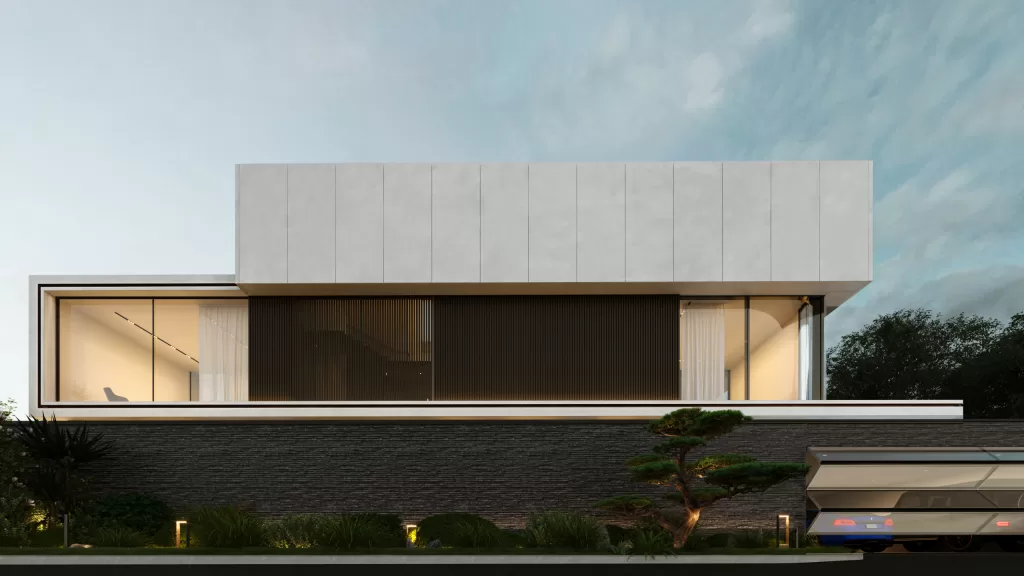

    Key Features of Modern Villa Architecture in Dubai

    1. Open-Concept Layouts

    Open-plan living is a central component of modern villa architecture. Instead of rigid walls, designers use:

    • Expansive glass panels
    • Room dividers
    • Partial walls
    • Floating partitions

    These elements create airy interiors that allow natural light to flow freely, giving spaces a sense of openness. Open layouts also encourage social interaction and make daily movement more fluid.

    This design approach is common in upscale residential communities and reflects Dubai’s modern contemporary villa design trends.


    2. Floor-to-Ceiling Glass

    Dubai villas make extensive use of glass features. Floor-to-ceiling windows allow homeowners to enjoy spectacular views—whether of lush gardens, swimming pools, or the city skyline.

    Glass also enhances façade aesthetics and increases daylight, reducing reliance on artificial lighting.

    Common complementary façade materials include:

    • Wooden cladding
    • Travertine
    • Black steel frames
    • Natural stone

    These materials add depth and reinforce the villa’s modern character.


    3. Smart Home Integration

    Technology plays a major role in modern villa architecture Dubai. High-end villas often include:

    • Smart lighting systems
    • Climate control automation
    • Integrated security systems
    • Automated blinds
    • Smart irrigation for gardens
    • Voice-controlled entertainment systems

    These features enhance comfort, safety, and energy efficiency while supporting Dubai’s vision for smarter living.


    4. Sustainable and Eco-Friendly Designs

    Sustainability is becoming a defining factor in modern villa design. Architects increasingly adopt:

    • Solar shading systems
    • Eco-friendly insulation
    • Cool roof technologies
    • Rainwater collection systems
    • Recycled building materials
    • Drought-resistant landscaping

    These strategies reduce environmental impact and lower long-term energy consumption. Sustainability is now considered a luxury feature in modern villas.


    5. Indoor–Outdoor Harmony

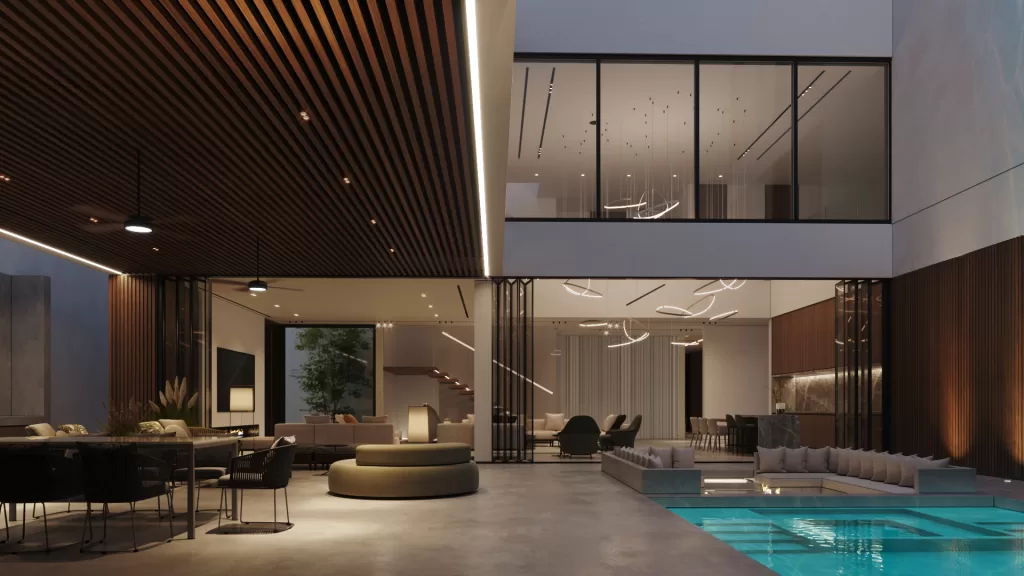
    Contemporary villa design in Dubai emphasizes seamless indoor–outdoor integration. Outdoor spaces often include:

    • Infinity pools
    • Private courtyards
    • Outdoor kitchens
    • Sunken seating areas
    • Garden pergolas
    • Minimalist landscaping

    These areas function as extensions of the interior, creating private sanctuaries aligned with Dubai’s outdoor-focused lifestyle.
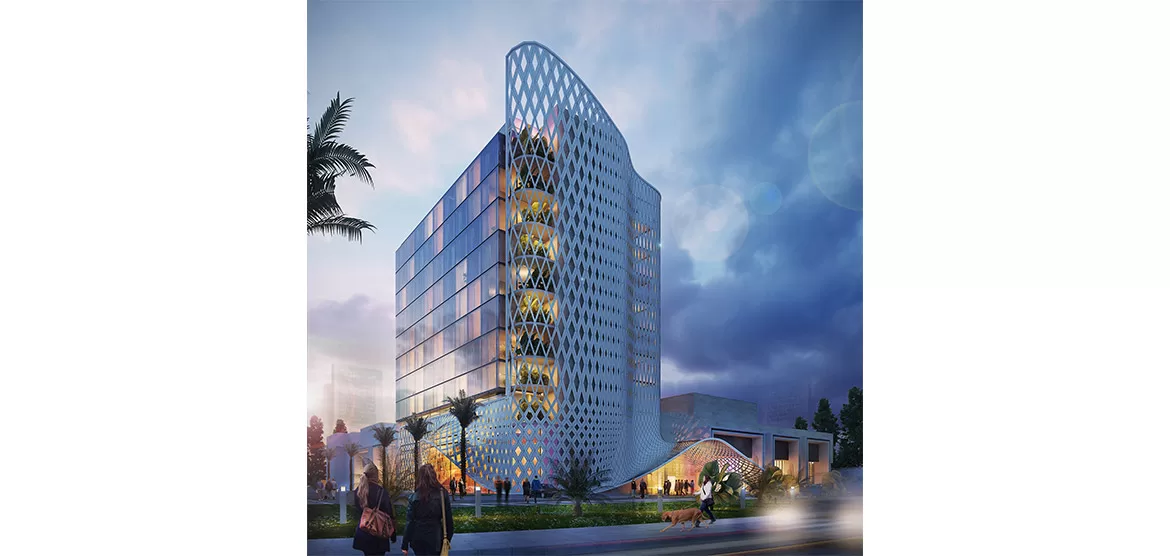

    modern villa architecture dubai

    Popular Design Ideas Shaping Modern Villa Architecture in Dubai

    1. Minimalist Luxury Interiors

    Minimalism remains a dominant trend in premium developments, featuring:

    • Neutral color palettes
    • Streamlined furniture
    • Hidden storage solutions
    • Elegant yet simple finishes

    The result is a calm, refined, and timeless living environment.


    2. Double-Height Spaces

    Many modern villas incorporate architectural features such as:

    • Double-height living rooms
    • Atriums
    • Skylights

    These elements enhance natural light, airflow, and visual drama, making interiors feel more expansive and luxurious.


    3. Luxury Materials and Finishes

    Material selection plays a vital role in defining Dubai’s modern villas. Popular choices include:

    • Marble flooring
    • Natural stone walls
    • Oak or walnut wood finishes
    • Metal accents
    • Venetian plaster walls

    These materials elevate the overall aesthetic and convey premium quality.


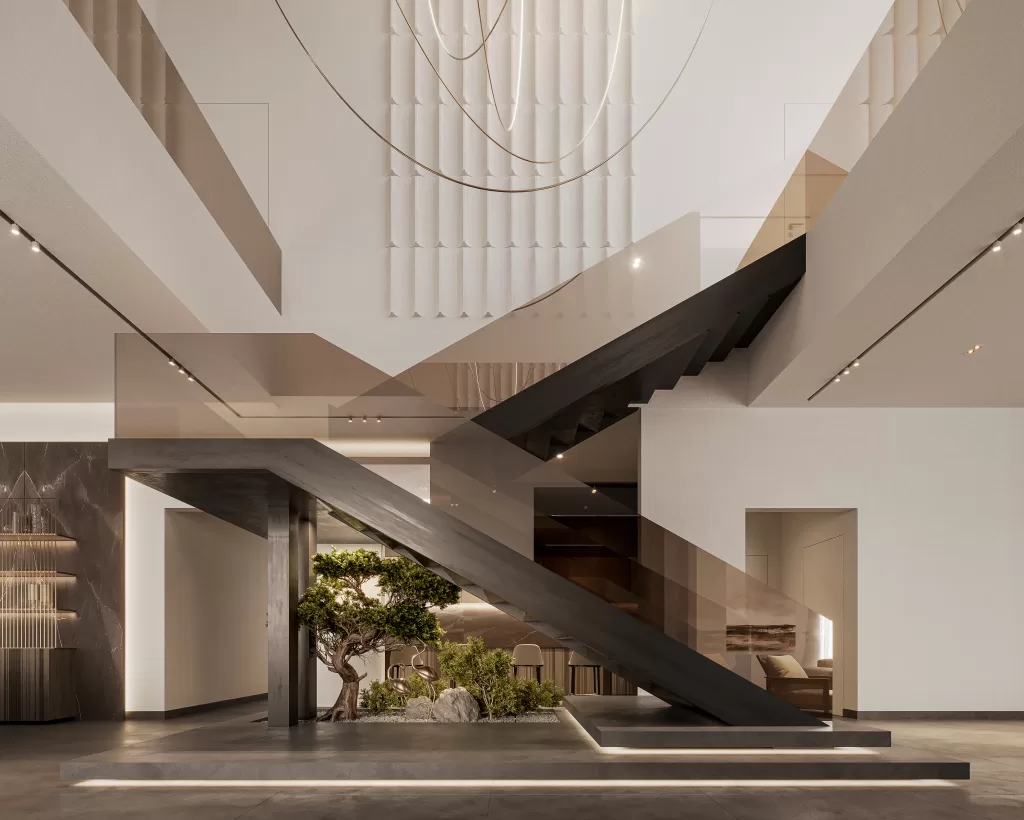
    4. Statement Staircases

    Modern villas often showcase sculptural staircases as design focal points, such as:

    • Floating wooden steps
    • Glass balustrades
    • Spiral metal staircases

    These designs add artistic value while maintaining spatial efficiency.


    5. Resort-Style Amenities

    To replicate luxury resort living, many villas include:

    • Spa-inspired bathrooms
    • Private gyms
    • Rooftop terraces
    • Meditation courtyards
    • Sauna and jacuzzi rooms

    These features transform everyday living into an elevated lifestyle experience.


    Memar embeds these principles in standout residential designs such as:

    Mr. Shahid Ahmad Villa

    Mr. Sweidy Villa

    Mr. Ghazi Villa


    The Role of Landscape Design

    A villa’s exterior environment is just as important as its interior. Landscape design enhances both beauty and functionality through:

    • Desert-inspired gardens
    • Palm-lined walkways
    • Water features
    • Fire pits
    • Outdoor lounge areas

    Well-designed landscaping creates visual harmony and unifies the entire property.


    How to Choose an Architect for Your Modern Villa in Dubai

    When selecting an architect or firm, consider the following:

    • Portfolio diversity
    • Expertise in sustainable solutions
    • Knowledge of local building regulations
    • 3D visualization capabilities
    • Experience in luxury residential projects

    The right architectural team can translate your vision into a functional and breathtaking reality.

    👉 Explore Our Projects


    Conclusion

    Dubai remains a global leader in architectural innovation, and modern villa architecture Dubai perfectly demonstrates how contemporary design merges luxury, sustainability, and lifestyle.

    Whether you prefer minimalist interiors, dramatic facades, smart technologies, or resort-style amenities, Dubai offers endless possibilities for crafting a modern villa that reflects your identity.

    With the right architectural team, any villa can become a masterpiece of modern living—remarkable, refined, and ready for the future.

  • How to Choose the Right Architect in Dubai for Your Dream Villa

    How to Choose the Right Architect in Dubai for Your Dream Villa

    Selecting the perfect professional is the most critical step in bringing your dream villa to life. This comprehensive guide on how to choose the Right Architect in Dubai provides a proven framework 

    Essential Villa Architect Dubai Tips for Selection

    These practical villa architect Dubai tips are distilled from successful projects across the Emirates. Heed these villa architect Dubai tips to distinguish truly exceptional firms from merely competent ones:

    • Review Comprehensive Documentation: Beyond renderings, examine technical drawings and construction details.
    • Verify Climate-Responsive Strategies: A top architect should explain solar orientation and thermal performance specific to UAE conditions.
    • Confirm Local Permit Expertise: Ensure they have proven experience with Dubai Municipality approvals.
    • Agree on Clear Milestones: Structure payments around specific deliverables like schematic design and permit approvals.

    These villa architect Dubai tips will save you time and prevent costly mistakes during your project journey.

    the Right Architect in Dubai

    Architect Dubai Selection Framework

    When evaluating an architect Dubai practice, apply this comprehensive framework. The ideal architect Dubai firm will demonstrate excellence across all these criteria:

    • Credentials & Registration: Must be registered with Dubai Municipality and relevant UAE authorities.
    • Portfolio Relevance: Showcasing completed villas of similar scale and complexity in the UAE.
    • Technical Coordination: Proven ability to manage structural, MEP, and specialist consultants.
    • Budget Management: Transparent processes for cost control and value engineering.
    the Right Architect in Dubai

    How to Choose the Right Architect in Dubai for Your Dream Villa

    Understanding how to pick architect UAE professionals requires a strategic approach that combines rigorous verification with personal compatibility assessment. This crucial first step in how to pick architect UAE standards ensures you find a partner who can not only design beautifully but also navigate Dubai’s specific regulatory landscape and climate challenges.

    How to Pick Architect UAE: Practical Steps

    The process of how to pick architect UAE professionals involves these methodical steps. Following this approach to how to pick architect UAE standards will lead you to the right partnership:

    1. Create a Shortlist: Compile 6-10 firms from referrals and portfolio reviews.
    2. Conduct Deep Portfolio Review: Focus on built villas, not just conceptual work.
    3. Interview Top Candidates: Use structured questions to assess compatibility and expertise.
    4. Check References Thoroughly: Speak directly with previous villa clients.
    5. Review Sample Deliverables: Examine their technical documentation quality.
    the Right Architect in Dubai

    Advanced Villa Architect Dubai Tips

    For those seeking exceptional quality, these advanced villa architect Dubai tips will elevate your selection process. Implement these villa architect Dubai tips during your final decision phase:

    • Assess Problem-Solving Skills: Ask about specific challenges they’ve overcome in previous UAE villa projects.
    • Evaluate Consultant Network: Check their coordination with landscape, pool, and smart home specialists.
    • Understand Variation Management: Agree on processes for handling design changes during construction.
    • Confirm Post-Handover Support: Clarify defect management and warranty processes.
    the Right Architect in Dubai

    Key Questions When You Choose Architect Dubai

    Arm yourself with these essential questions for your architect Dubai interviews:

    1. Can you show two villas completed in the UAE and provide client references?
    2. What is your experience with Dubai Municipality approval processes?
    3. How do you manage cost control for villas in this budget range?
    4. What is your site supervision frequency and methodology?
    5. How do you integrate climate-responsive design principles?

    Conclusion: Mastering the Selection Process

    By applying this structured approach to how to pick architect UAE professionals, and implementing these practical villa architect Dubai tips, you can confidently select a partner who will deliver your dream villa exceeding expectations. The right architect Dubai will blend creative vision with technical expertise and local knowledge, ensuring a successful project from concept to completion.

  • How Smart Home Technology Is Transforming Architecture in the UAE

    How Smart Home Technology Is Transforming Architecture in the UAE

    smart home technology UAE is reshaping how architects design homes across the Emirates. From luxury villas on the Palm to compact high-rise apartments in downtown Dubai, home automation and integrated systems are no longer optional extras — they are design drivers. As clients expect seamless digital experiences, architects must balance aesthetics, performance, and privacy while future-proofing buildings for rapidly evolving technologies. This article explores how smart architecture UAE is changing spatial planning, engineering coordination, user experience, and sustainability in residential design.

    What “smart” means for architecture

    At its simplest, home automation architecture Dubai describes buildings where lighting, climate, security, audio-visual systems, and appliances are connected and coordinated through central control platforms. But for architects the implications run deeper: smart homes demand intentional infrastructure (networks, conduits, service voids), spatial design for control hubs and equipment, and an integrated strategy so technology enhances — not disrupts — architecture.

    Embedding technology into the design process

    Smart-enabled projects succeed when technology is considered from briefing through construction. Architects in the UAE increasingly specify:

    • Dedicated plant and equipment rooms with ventilation and access for AV racks, UPS, and home-server hardware.
    • Concealed wiring routes, centralised conduits, and ceiling voids for sensors, speakers, and lighting.
    • Flexible wiring and modular junction boxes to allow future upgrades without invasive work.
    • Strong and redundant data networks (Ethernet backbone + Wi-Fi planning) to support IoT density and low latency for real-time control.

    This infrastructural thinking affects floor plans, ceiling heights, and façade choices — for example, planning for motorised shading and integrated photovoltaic arrays that interact with building control systems.

    Designing for occupant experience and accessibility

    Smart architecture UAE places user experience at the center. Architects collaborate with integrators and UX designers to create intuitive control points: wall panels, smartphone apps, voice control or simple physical overrides for non-technical occupants. Accessibility is a major benefit — automated doors, adjustable lighting scenes, and voice-activated routines make homes more inclusive for residents with limited mobility or older adults.

    Energy efficiency and sustainability gains

    One of the most compelling drivers of green smart architecture is energy optimisation. Home automation enables:

    • Dynamic HVAC control that adjusts to occupancy and weather forecasts.
    • Lighting scenes and daylight harvesting that reduce electricity use.
    • Smart shading that limits solar heat gain, lowering cooling loads — critical in Dubai’s climate.
    • Integration with on-site renewables and battery storage for load balancing and grid interaction.

    When paired with energy-monitoring dashboards, these systems help homeowners understand consumption patterns and make greener choices — aligning smart home technology UAE with wider sustainability goals.

    Security, privacy, and resilience

    Security systems are a core part of home automation: access control, CCTV, alarm monitoring, and remote lock management. However, architects must also account for cybersecurity and data privacy. Design strategies include physical segregation of critical systems, secure server enclosures, and collaboration with integrators to enforce encrypted communications and regular firmware updates. Resilience planning — such as UPS backup for critical devices and fallback manual controls — ensures that homes remain safe and usable when networks fail.

    Challenges: interoperability, obsolescence, and cost

    Despite the benefits, smart architecture faces practical hurdles in the UAE market:

    • Interoperability: The IoT ecosystem is fragmented. Architects should favour open standards (e.g., Matter, BACnet, open APIs) and choose systems that support multiple protocols to reduce lock-in.
    • Obsolescence: Technology evolves quickly. Designing with modularity and retrofitability in mind avoids expensive rewiring or demolition later.
    • Cost and skill gaps: High-end automation can be costly and requires skilled contractors for installation and commissioning. Early budgeting and procurement strategies are essential to align client expectations with reality.

    The role of data and digital twins

    Advanced projects are turning to data to improve design and operation. Architects use digital twins and building information models that feed into smart systems, enabling predictive maintenance, energy modelling, and scenario testing (for example, how shading strategies or occupancy schedules affect comfort and energy). This data-driven approach improves long-term performance and supports evidence-based design decisions.

    How smart tech is shaping typologies in the UAE

    Different housing types adopt smart features in distinct ways:

    • Luxury villas: Full home automation with integrated pools, landscape lighting, private cinemas, and bespoke wellness systems. These projects prioritise hidden tech and high-grade audiovisual integration.
    • High-rise apartments: Focus on resilient connectivity, centralized building services, and community dashboards for shared amenities.
    • Gated communities / masterplans: Neighborhood-level systems such as connected EV charging, microgrids, and centralized security create coordinated smart living ecosystems across many homes.

    Practical guidelines for architects

    To design successful smart homes in the UAE, architects should:

    1. Start early: Specify technology requirements in the concept and schematic stages.
    2. Collaborate: Involve AV/IT integrators, MEP engineers, and cybersecurity specialists in the core design team.
    3. Design for change: Use modular conduit systems, accessible equipment rooms, and surface-mount options where future retrofits may be required.
    4. Prioritise UX: Keep controls simple and provide clear manual overrides.
    5. Plan for maintenance: Specify access, ventilation, and service clearances for equipment racks and batteries.
    6. Choose open standards: Reduce vendor lock-in and increase longevity.

    The future: AI, edge computing, and ambient intelligence

    Looking ahead, smart home technology UAE will be shaped by AI, edge computing, and faster networks (5G and beyond). Homes will anticipate needs — adjusting climate and lighting proactively, detecting health patterns, and personalizing environments across occupants. Edge processing will keep latency low and privacy higher by keeping sensitive data on-site. For architects, this means designing adaptable, sensor-rich spaces that can host increasingly subtle and personalized services.

    Conclusion

    Smart home technology UAE is transforming architecture from a static shell into an adaptive platform for living. In Dubai and across the Emirates, architects who embrace this shift — integrating infrastructure, prioritizing user experience, and planning for longevity — will deliver homes that are resilient, efficient, and delightful to inhabit. As technology matures, smart architecture UAE will not simply add convenience; it will redefine comfort, sustainability, and the very relationship between people and the spaces they live in.

  • Site-Specific Architecture in the UAE – Designing with Context and Character

    Site-Specific Architecture in the UAE – Designing with Context and Character

    Every plot tells a story. At Memar Architecture, we listen to the land, climate, and lifestyle needs to craft villas rooted in their surroundings. This is the heart of site-specific architecture—a design philosophy that considers not just how a building looks, but how it lives.

    What Is Site-Specific Architecture?

    Site-specific architecture means tailoring each home to its exact location by studying:

    • Sun path and prevailing winds
    • Views and privacy angles
    • Cultural and urban context
    • Environmental impact and landscape

    This ensures every structure feels intentional, natural, and meaningful.

    How Memar Designs for Site, Not Just Style

    We do more than replicate a template—we design each villa from the land up. For example:

    • Mr. Al Khajah Villa features a layout that prioritizes family flow and inward-facing privacy.
    • Mr. Jallaf Villa takes advantage of landscape openings with balanced indoor-outdoor transitions.

    These villas wouldn’t work on any other site—they are born of their setting.

    Benefits of Contextual Architecture

    Designing with the site in mind allows us to:

    • Reduce energy loads naturally
    • Preserve important views or vegetation
    • Create stronger emotional connections for the residents
    • Enhance resale and long-term value

    Related Reading:

    Building Character, Not Just Structures

    Site-specific design isn’t just sustainable—it creates homes with identity. Homes that don’t just sit on the land, but belong to it.


    Conclusion: By embracing site-specific architecture, Memar ensures every home in the UAE is crafted with purpose, precision, and personality. Let the land inspire your future villa.

    👉 Discover Projects Shaped by Site