Category: General

  • Durable buildings materials to consider in design

    Durable buildings materials to consider in design

    A building product is said to be made of durable material if it can survive use without significantly degrading and has the capacity to endure for a long time without suffering major damage.
    The appropriate materials are crucial for every building project, no matter how big or small. No matter how skillfully a building is constructed, using the incorrect materials can end badly.
    We should consider the demands of both the present and the future generations while designing and constructing buildings, striking a balance between a healthy structure and a healthy environment.
    However, we also need to realize that people live in a very fast-paced world where everything moves by so quickly that the idea of preservation often becomes more important than expansion.
    We need to start considering how people will inhabit our structures in 50, even 100 years.
    The best way to determine if a building material will be able to survive for a long time is to take the structure’s design into consideration. A design that encourages people to use every possible room in a building can prevent damage to the materials, as well as protect the environment.
    By minimally using harsh, non-renewable materials, we can protect the environment as well as the building materials themselves.

    Difference between sustainability and durability:

    Sustainability considers how something will affect people, the environment, and the economy. It is less concerned with how long something will endure and more concerned with the possible harm it could do to the environment, people, and business, meaning less waste to be dumped in landfills, less energy to be used, and less damage to the environment overall.
    A sustainable product is one that uses renewable resources, or ones that can be replenished.

    Compared to durability, which is more focused on how long something will last than how it will affect the economy, society, and the environment overall.
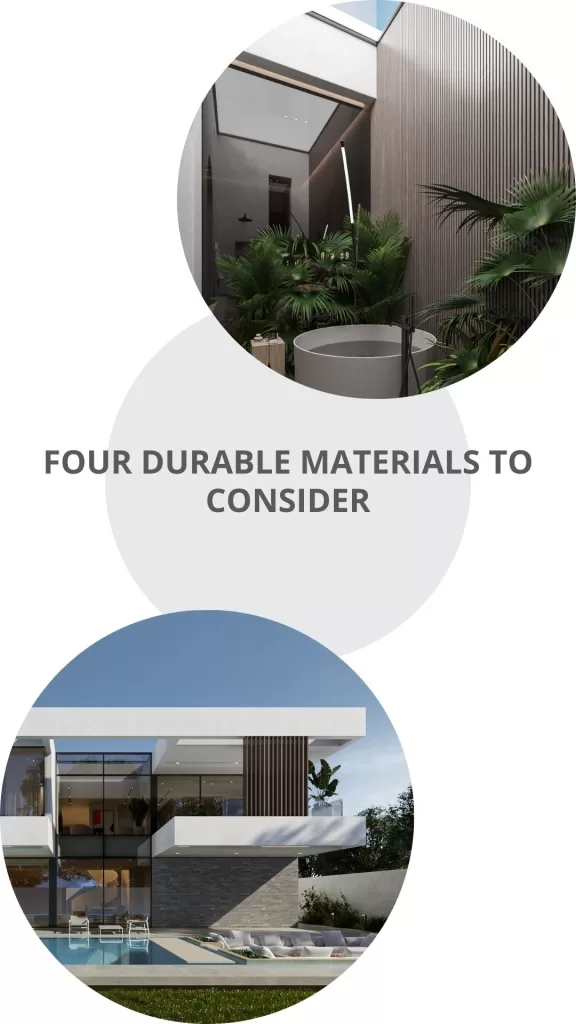
    In this post, we’ll discuss four examples of
    durable materials that we might use in      
    construction and design.

    1.   Wood
    2.  Concrete
    3.  Brick
    4.  Steel
    5 . Stone

    1. Wood Material

    Wood can absorb and release moisture, and it can withstand a variety of substances and environmental factors, such as corrosive salts, weak acids, industrial stack gasses, sea air, and significant temperature changes.

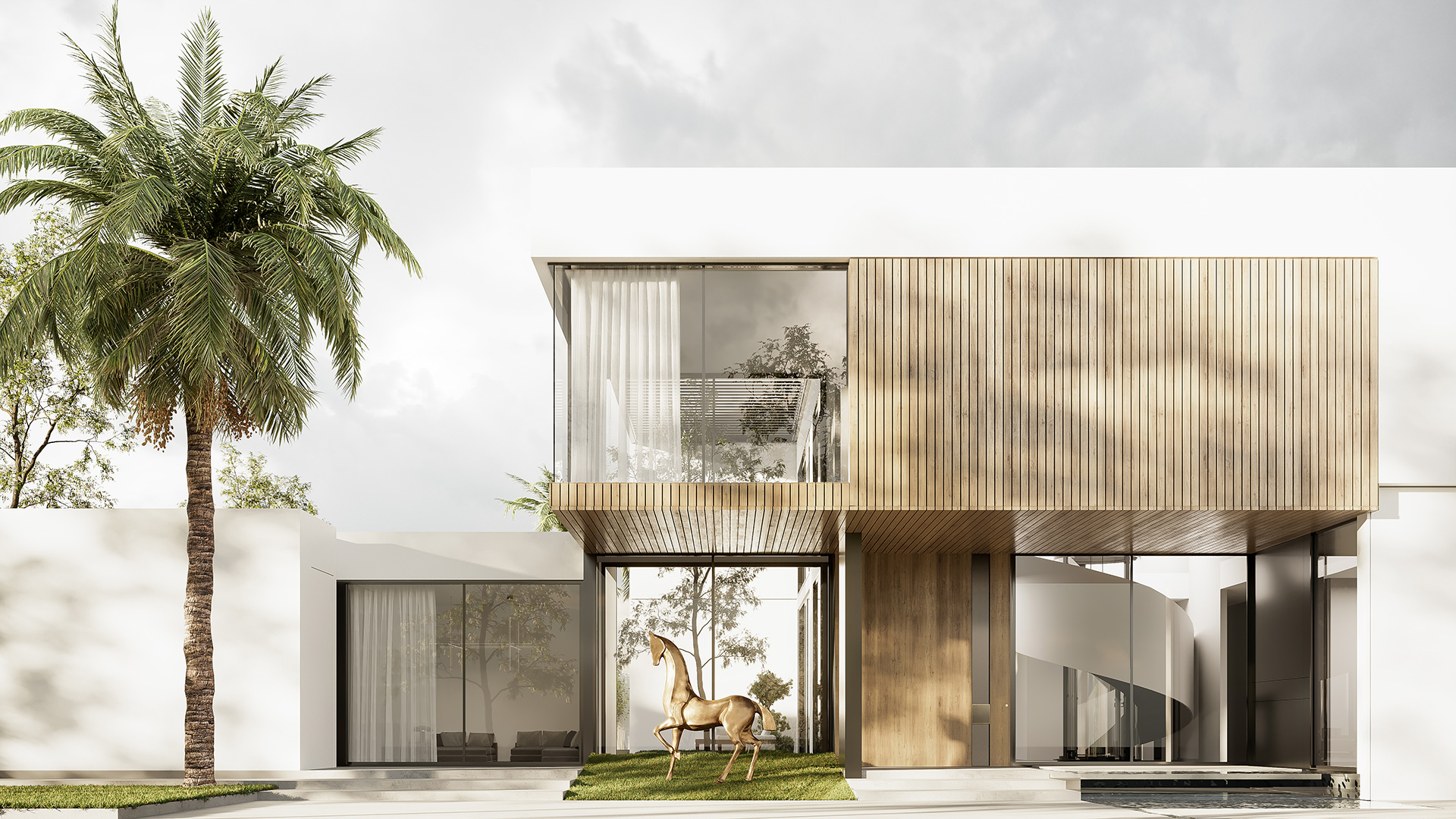
    The use of wood in construction can lower maintenance and repair expenses in the future when combined with good envelope design. Additionally, good design makes sure that wood materials endure and hold up well in a variety of climatic conditions, including those with extreme heat, frequent sun, and torrential downpours.
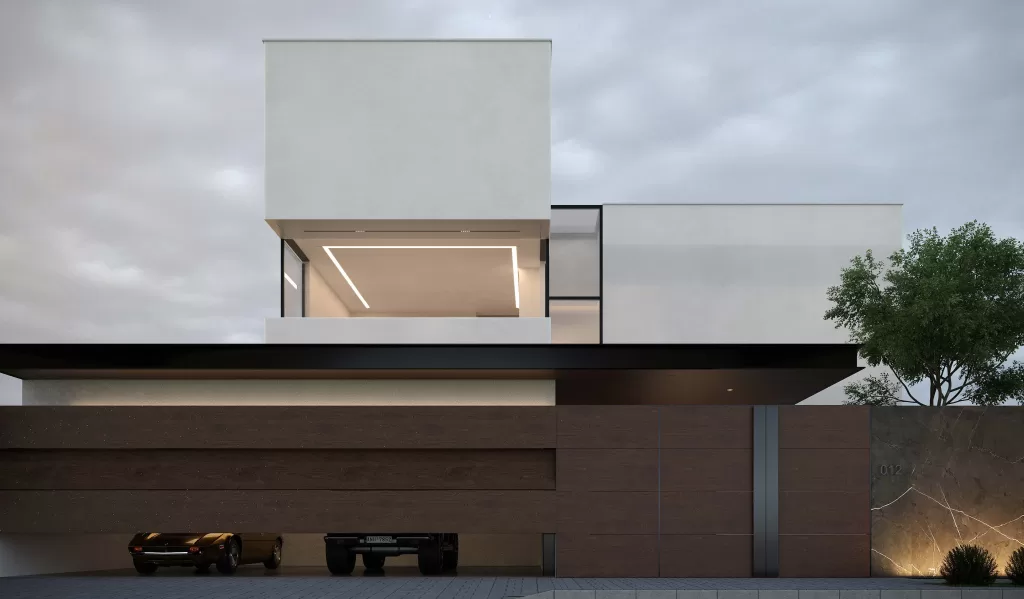
    design

    2. Concrete dawood

    While keeping the appropriate engineering qualities, concrete material can withstand abrasion, chemical attack, and weathering.
    In composite materials, concrete outperforms them in terms of strength and tensile stress recovery.
    It has good soil-contact weathering resistance and is often inexpensive to produce and dispose of.
    Currently, demand for concrete is higher than that for other materials like metal and
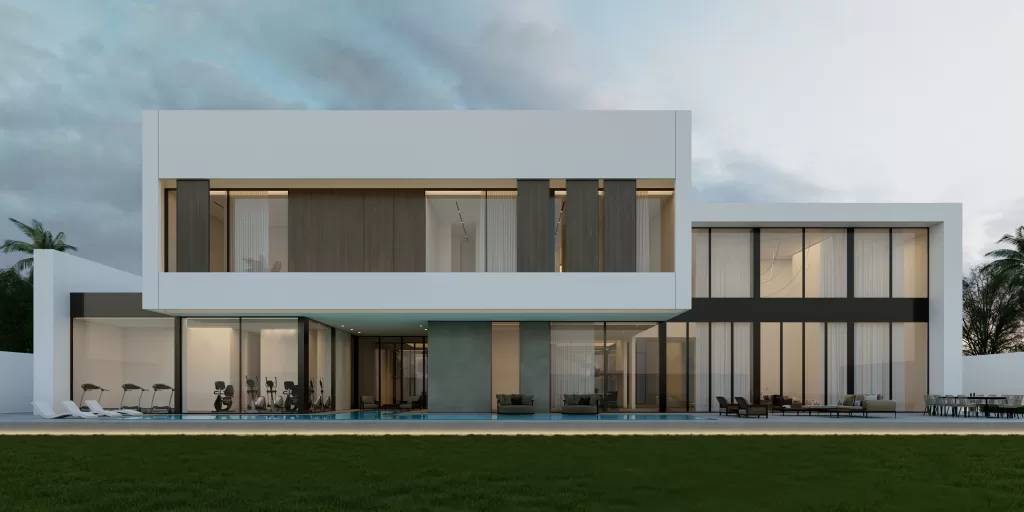
    design

    3. Brick

    Bricks have many uses in architecture, and their significance in architectural design is well known. Brick walls have developed into many different designs to enhance the building’s outside both aesthetically and functionally. In some situations, these walls may also double as roadway barriers or fire stops.
    Brick walls are the ideal choice for an architectural wall due to their sturdy nature.

    4. Steel

    Steel is one of the most durable materials. After more than a century under the earth, steel piles that were removed from a region with a high water table were discovered to be suitable for reusing. Steel is extremely resistant to accidental damage because it is both strong and ductile. Steel is also naturally resistant to rust. Because of its chemical makeup, steel will have no smell if it’s processed in the right way.

    5. Stone

    Slate, limestone, travertine, and granite are just a few examples of stones that will age gracefully and attractively, offering years of use and delight.
    Some stones can be placed in humid, damp conditions, which makes them more durable, while others need to be placed in a dry area.
    We tend to focus on this point of choosing durable materials in construction as they help the environment in preserving resources, minimizing waste, and minimizing the environmental effects of repair and replacement. The manufacture of replacement building materials depletes natural resources and has the potential to pollute the air and water.

    For a more sustainable future, it will increase the building’s lifespan, protect the aesthetic design, and surely, lessen its environmental impact. The diverse needs for residential units require specialized materials that are versatile and produce less waste. The diverse needs for residential units require specialized materials that are versatile and produce less waste
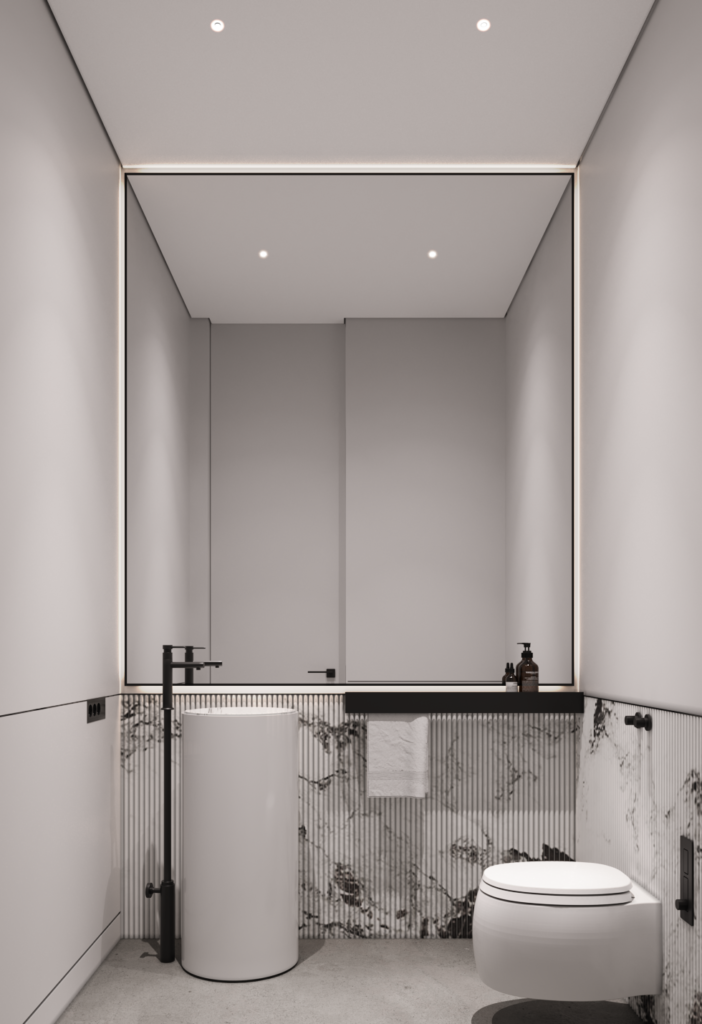
  • HOW TO MAKE THE MOST OUT OF A LIMITED SPACE BATHROOM ​

    HOW TO MAKE THE MOST OUT OF A LIMITED SPACE BATHROOM ​

    Bathrooms play an important role in the functionality of the house. ” I like to think that bathrooms are the heart of the home, the most intimate rooms in the house,” says Laurie Pressman, vice president of the Pantone Color Institute. ” Everything you do in that space has to be done right.”

    A bathroom is a private place where you can relax after a long day, take a warm shower, and push the stress out. Sometimes, bathrooms have limited spaces, and if designed badly,  it could lead to an uncomfortable and wasted area.

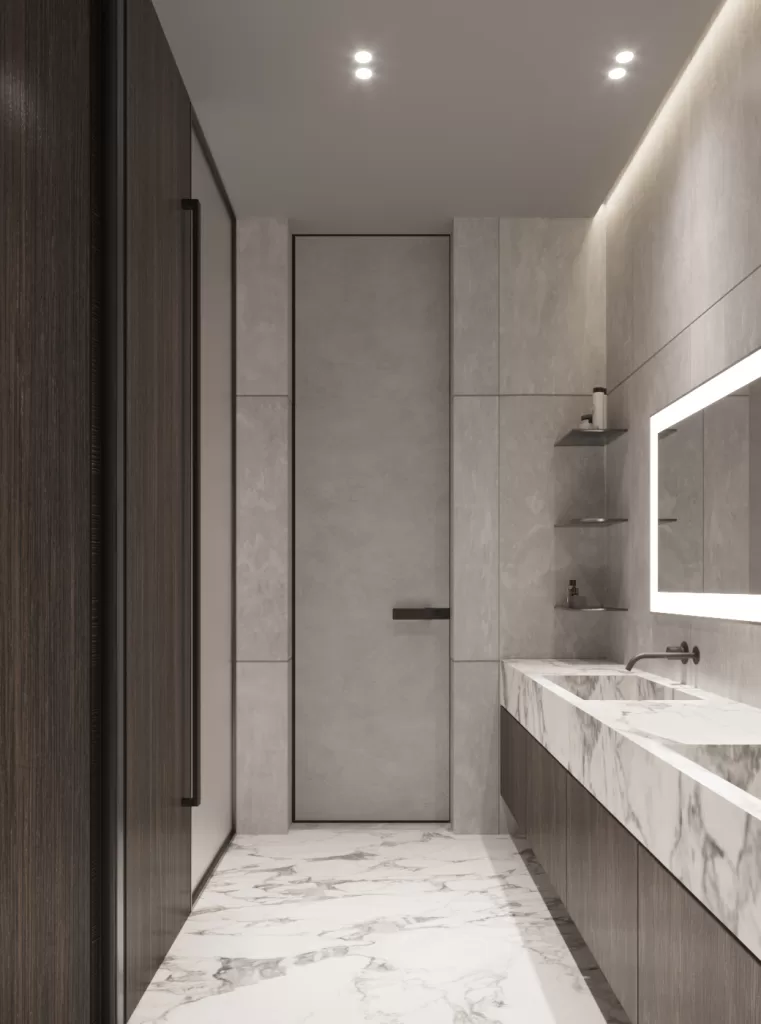
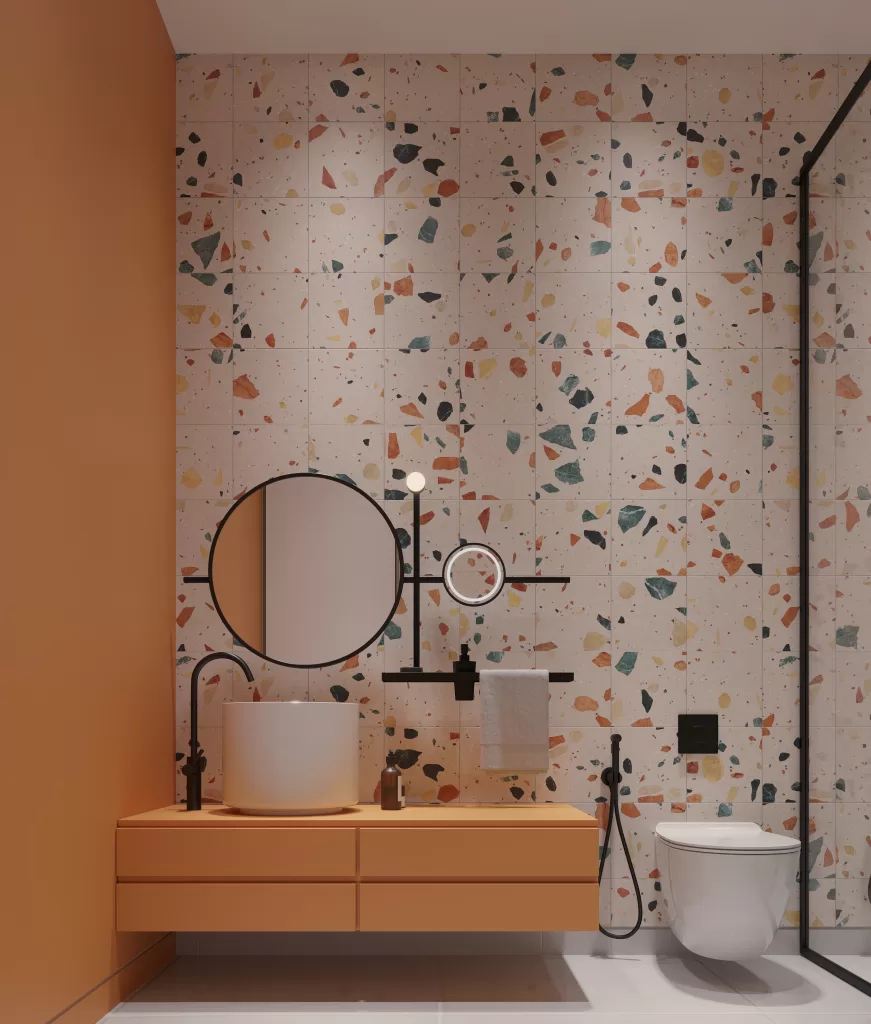
    A limited-space bathroom can be as glamorous as the big one; only if designed well, taking into consideration smart storage, the right lighting, a relaxing color palette, and other unique features.

    There are plenty of ways to make the most of your limited bathroom space; in this article, we are going to mention some of the most important.


    Six ideas for small bathrooms:

    1. Use mirrors to widen the space

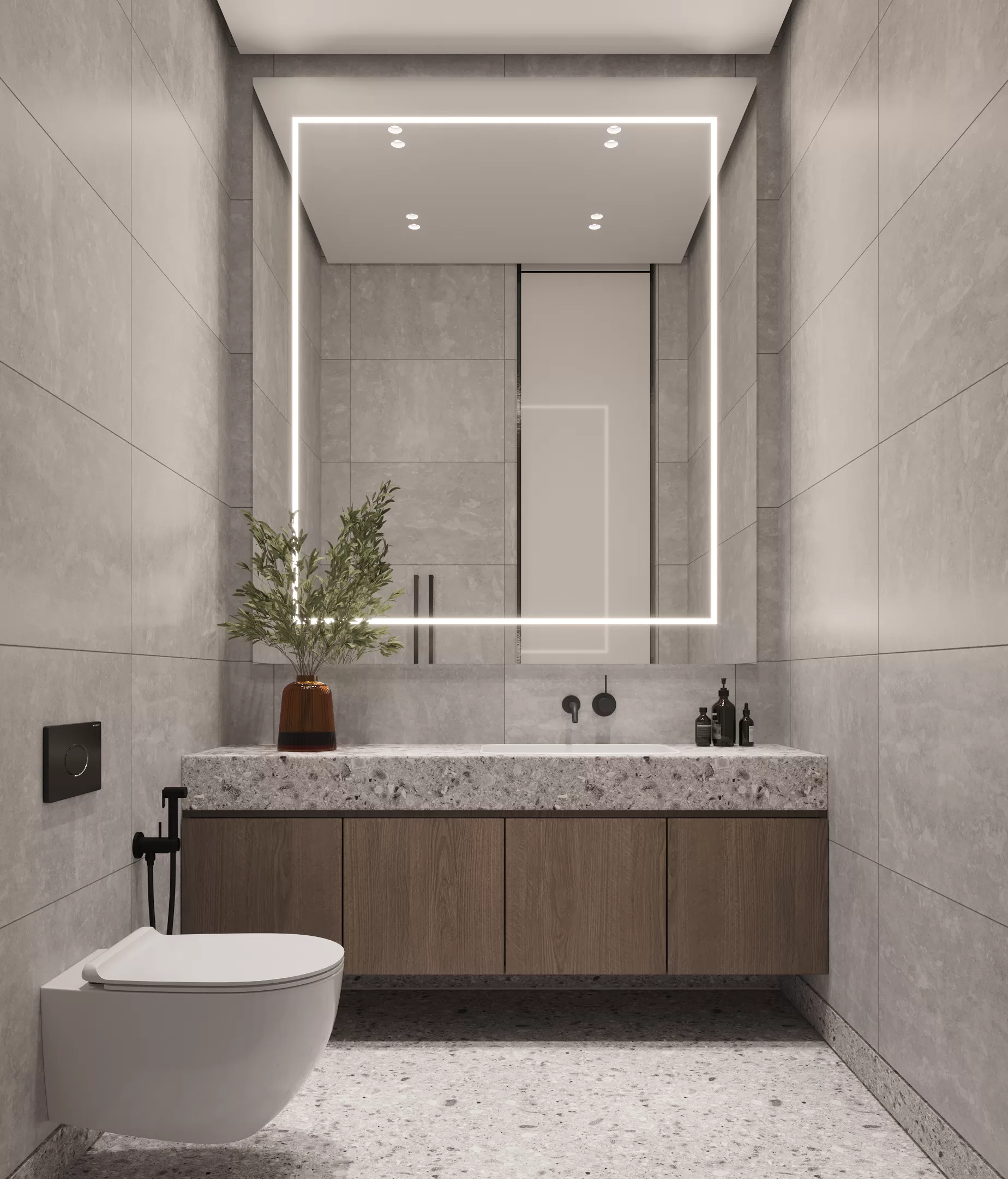
    Bathroom mirrors are essential for grooming, dressing up, and checking your appearance, but their significance extends far further. A mirror is a terrific addition to your bathroom that goes above and beyond its practical use, as it can provide the appearance of additional space, add light and style, and conceal storage space.

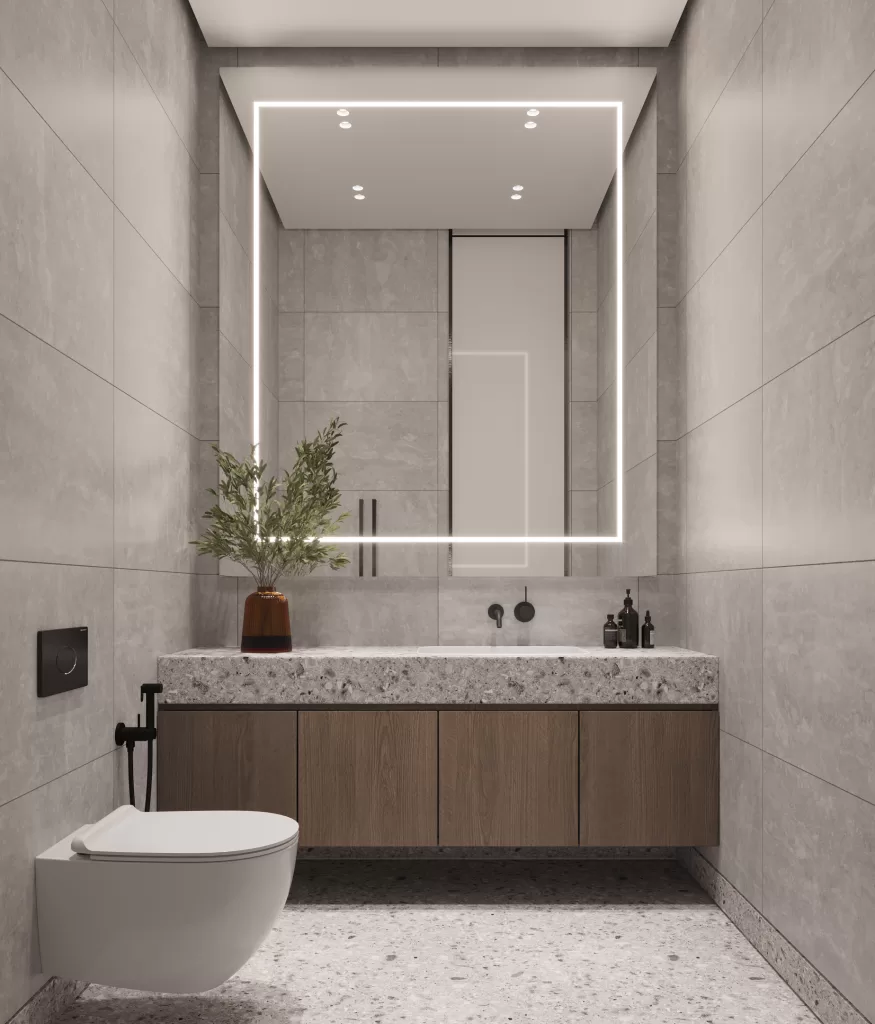
    Mirrors are the number one tip in interior design to make an area brighten. Hang one large mirror or two mirrors over the bathroom basin, to bounce the natural light around the room and make the whole space feel larger.

    BATHROOM

    2. Use glass doors:

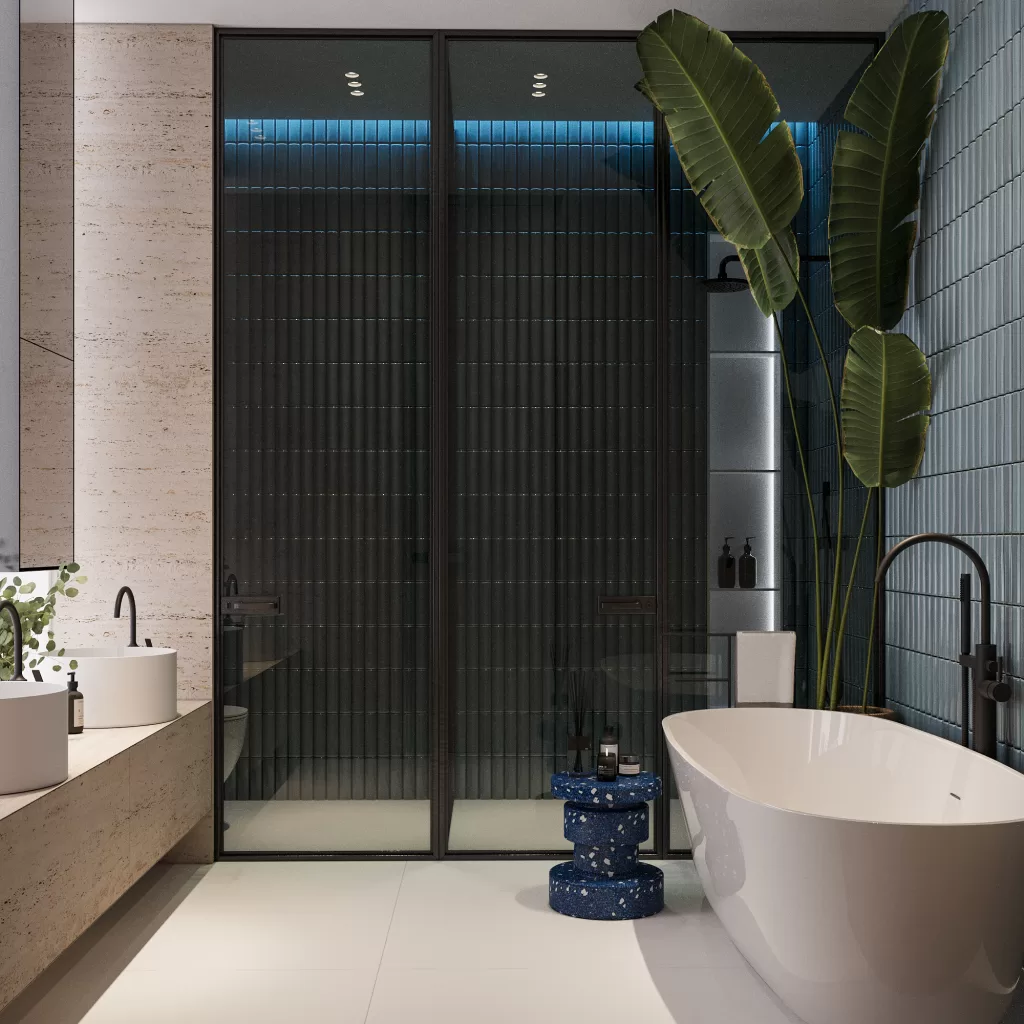
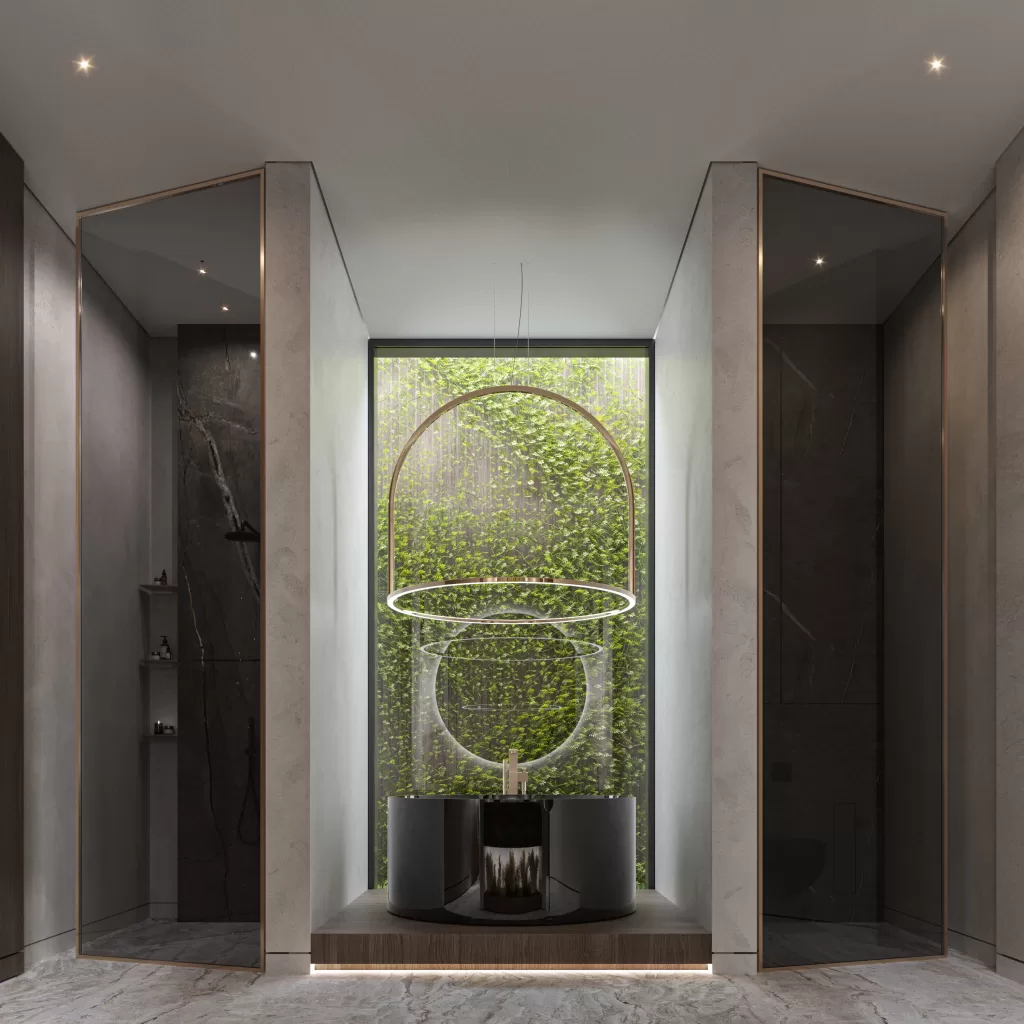
    A clear glass door rather than a curtain or a solid one widens the space and makes it feel less restricted, in addition to a more aesthetic and neat appeal. Glass does not have to be completely transparent, there are a wide variety of glass finishes, such as frosted and black glass. However, it is important that your glass door is treated properly to avoid scratches or discoloration. Mold, mildew and stain can also occur on glass doors over time, so it is better to clean and maintain them frequently.

    BATHROOM

    3. Choose a floating cabinet:

    wall-mounted vanities float above the ground,
    so instead of extending all the way to the bottom of the floor, they rest slightly above it.
    This helps a lot in small-sized bathrooms. It helps the space to seem less restricted and less boxed-in, especially when used as a storage to keep all needed stuff inside and keep the bathroom neat and clean.

    4. Include a freestanding bathtub:

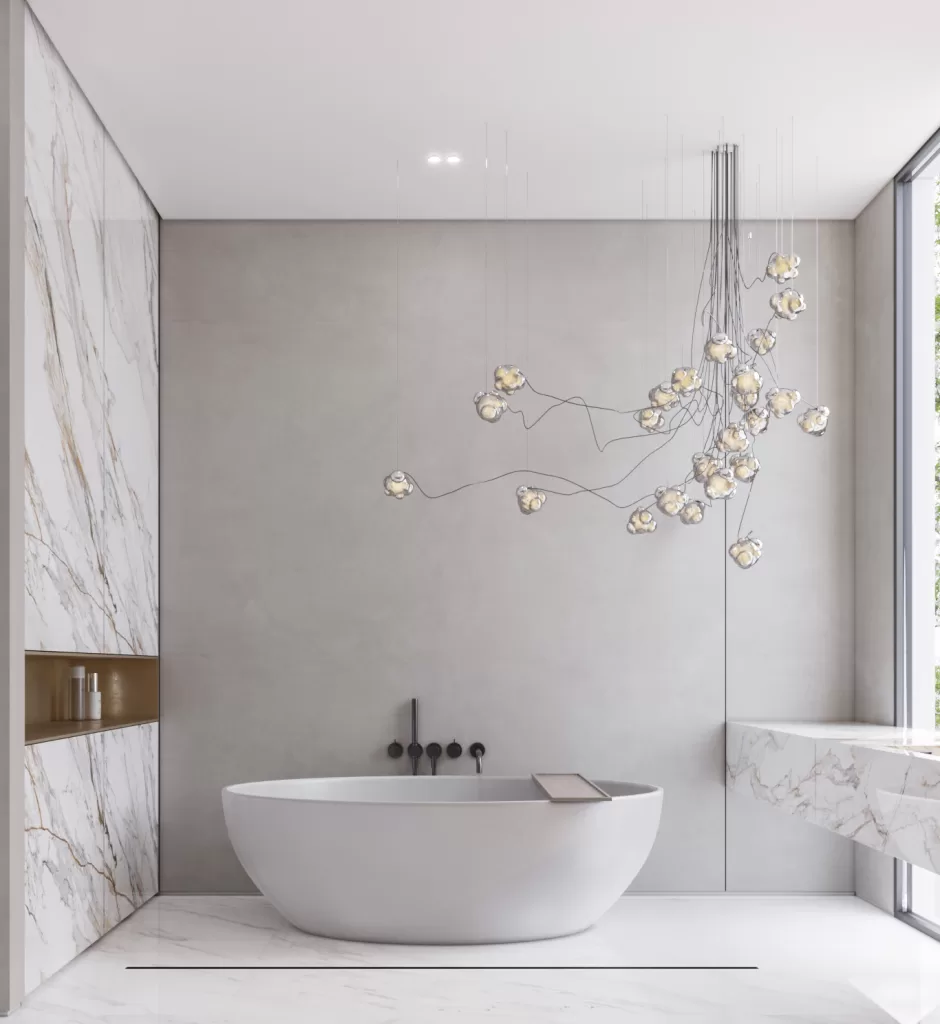
    A freestanding tub is a bathtub with all four sides exposed that sits directly on your bathroom floor. It’s a great idea for a limited space bathroom for its flexibility and beautiful look.

    Freestanding bathtubs allow you to use your space more creatively. You can place them beside a window sheet, or in the middle of the bathroom, no restrictions!

    While built-in tubs may need two or more walls for their installation.The window sheet facing the freestanding bathtub allows the place to feel like a relaxing spa, with endless views and natural light


    5. Play with lights!

    Mixing upper and lowerlights, hidden and feature lights, wall and ceiling lights, in addition toconsidering natural light artificially, can make the best out of your smallbathrooms.

    Light and bright walls are more reflective, making a space feel open and airy. However, dark colors and lack of light make the space look smaller by absorbing light.

    6. Consider special design for your kids

    Kids’ bathrooms should be functional and fun all at once! It needs to be easy to use, and it must be designed as a safe space your children can grow and mature into.
    Having a limited space is a bit tricky, but with a creative design, the child would definitely find it fun and catchy, especially when considering his favorite colors!

    Finally, It seems like everyone wants a bigger bathroom. However, people frequently require substantially adjusting the house.

    The bathroom in your home doesn’t have to appear small, even if it is little. Without moving a single wall or building an addition, you can remodel or replace a few things to give the appearance of a larger bathroom.

    One of the trickier rooms to decorate is a small bathroom because of the little amount of space available, the limited amount of natural light, and the quantity of fixtures that must fit. But when done properly, the space can appear lighter and larger.

    These above-mentioned ideas show that daring design elements may fit well in even the smallest spaces, going beyond simply maximizing the usable square footage.

  • Construction Materials Impact on Environment

    Construction Materials Impact on Environment

    The construction sector is experiencing a resurgence in growth in the whole world. This rapidly increasing use of building materials poses threats to resources and has a detrimental impact on the environment.

    In the field of architecture and construction, the materials we use matter to the natural environment, as well as our own health.

    Building materials contribute extremely to the impact categories of human toxicity, fossil depletion, and global warming.

    A research by construction blog Bimhow was done recently, which says, “ the construction sector contributes to 23% of air pollution, 50% of the climatic change, 40% of drinking water pollution, and 50% of landfill wastes.”

    Another research was done by Kleiwerks which says “building material, such as concrete, aluminum, and steel, are directly responsible for “large quantities of CO2 emissions”

    From this, we should draw the attention on the urgent need to reduce environmental impacts by choosing the right materials and follow the construction rules that helps in eliminating the negative impacts

    Whether you’re designing, planning, or building a sustainable residential building, commercial building, or any other type of structure.

    In this article, we are going to discuss some environment friendly materials you could use in construction

    As design and construction companies, we should always consider the materials that are less harmful to health and eco-friendly.

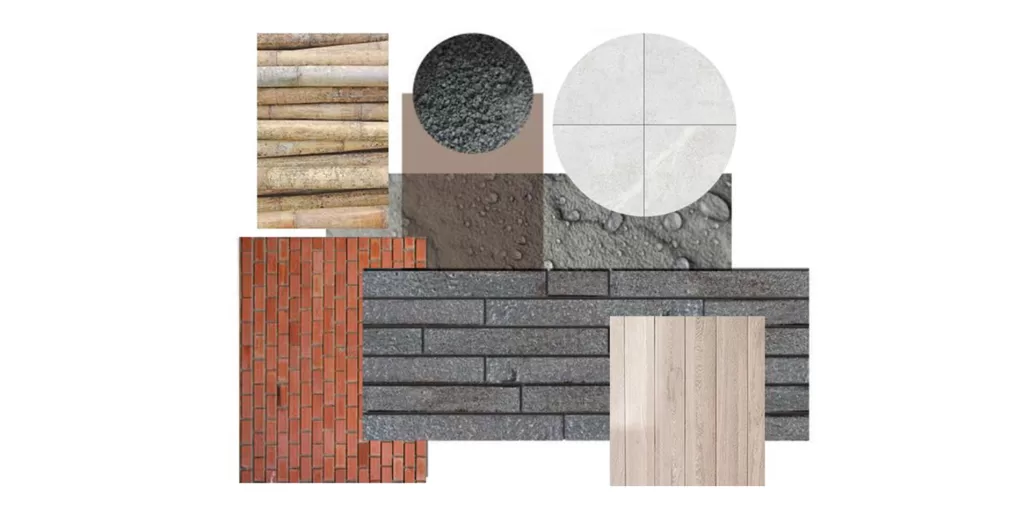
    HERE ARE 4 ENVIRONMENT FRIENDLY MATERIALS YOU COULD CONSIDER IN CONSTRUCTION: ​

    1. Bamboo:
    Bamboo is increasing in popularity as an environment friendly building material. It is very sustainable as it grows quickly.  Moreover, bamboo is a natural composite material with a high strength ratio that’s useful for building purposes.
    Bamboo’s capacity to both absorb carbon dioxide and create oxygen makes it one of the most advantageous plants for the environment. Bamboo produces 35% more oxygen than an equivalent mass of trees, and studies have shown that it may absorb up to 12 tones of carbon dioxide per hectare each year.

    2. Recycled wood:

    Reclaimed wood is one of the most environmentally friendly building choices you can make.
    It helps in creating fewer watershed toxins and less waste. Moreover, the use of recycled wood reduces deforestation and preserves that habitats of endangered species How beautiful is it to build something elegant and healthy from a material that would otherwise be wasted.

    3. Brick material:

    Brick is natural material that is recyclable, eco-friendly, and it does not release carbon dioxide or any other toxic chemicals. Moreover, it is one of the most energy efficient materials.
    Red brick, which is the most common variety, gets its name from its color. Sand, clay, lime, lime concentrate, and water are the main ingredients. Since the very beginning of human history, bricks have been utilized in the majority of buildings and structures. Bricklaying is a job in which you can excel and earn a living. Bricks should be carefully manufactured in order to avoid cracking and other functional issues.

    4. Ceramic material :

    Ceramics are made from clay; they do not harm the environment as they do not release any toxic gas into the atmosphere when they are broken into small Particles.
    They do not cause any adverse environmental effects. In some cases, such as when used as the matrix in house-paint, they are recycled as a base for new coats.
    The main difference between ceramics and plastic is that ceramics can be recycled back into the production of new ceramics.

    Finally, although change cannot happen overnight, we believe that the first step to making a difference is to truly understand the buildings’ construction materials’ impact and the way they are affecting our environment and, thus, our health.