
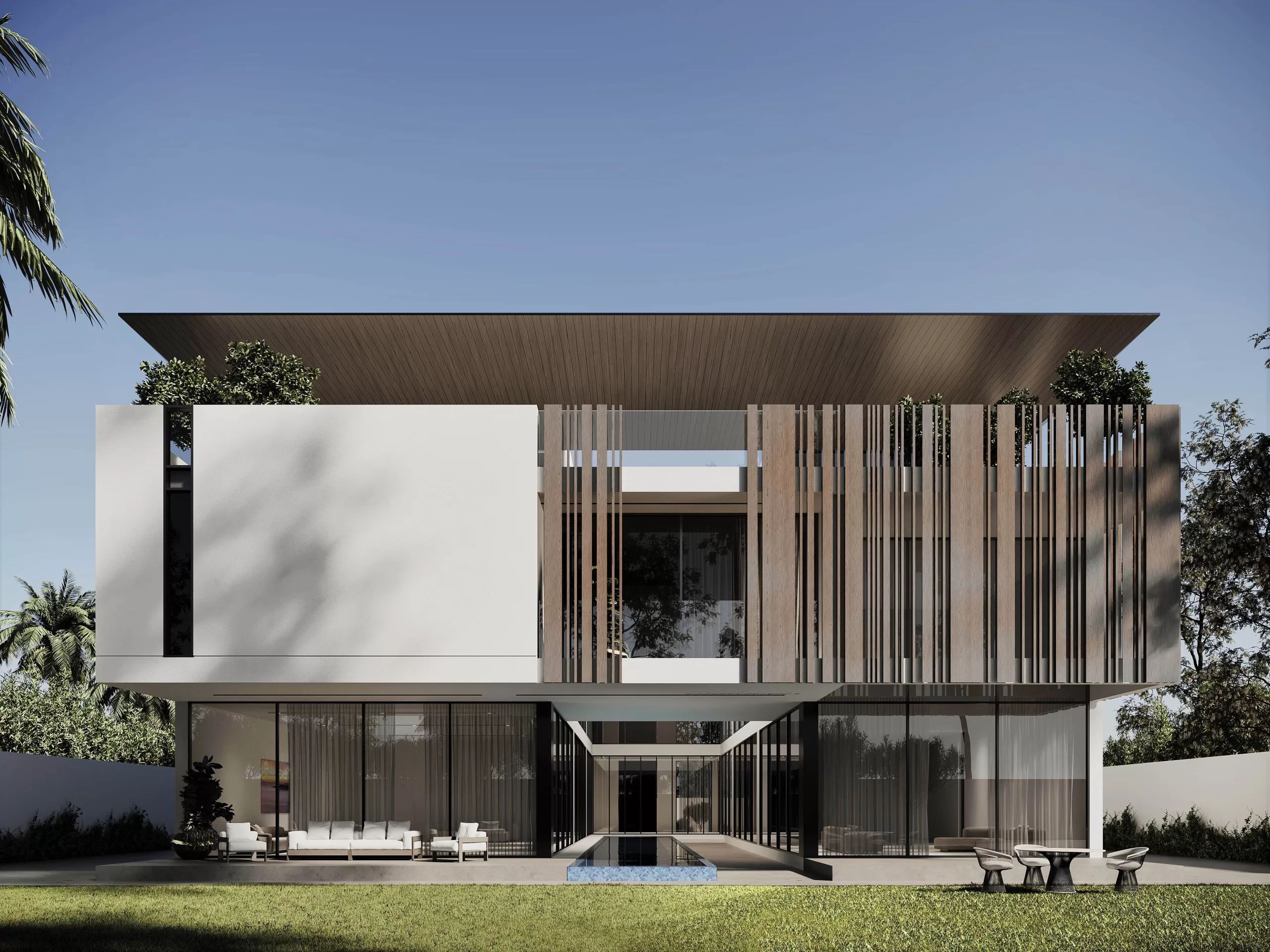
Dubai’s skyline has long been a symbol of ambition and rapid growth. Today, that ambition is being refocused through a green lens. Sustainable architecture Dubai is no longer a niche — it’s a strategic priority for developers, city planners, and homeowners who want buildings that reduce environmental impact, lower operating costs, and provide healthier living and working environments. This article explores how green architecture UAE principles are shaping projects across the emirates, the practical strategies behind eco-conscious buildings, and what eco building design Dubai means for the future of construction in the region.
Why sustainability matters in Dubai
Dubai’s climate, population growth, and high per-capita resource consumption make sustainability essential. Rising energy demand, water scarcity, and the need to reduce carbon emissions push architects and developers to adopt sustainable architecture Dubai solutions that are climate-responsive and economically smart. In addition to environmental benefits, green buildings deliver measurable value: lower energy bills, increased occupant comfort, higher asset value, and improved regulatory compliance as the UAE moves toward national sustainability targets.

Passive design: the foundation of eco building design Dubai
At the core of most successful eco building design Dubai projects is passive design — strategies that reduce the need for mechanical heating and cooling. Passive measures include:
- Orientation and massing: Placing buildings to minimize direct solar gain on façades and maximize natural ventilation.
- Shading devices: Deep overhangs, louvers, and mashrabiya screens that cut solar heat while allowing daylight.
- High-performance façade systems: Insulated walls and low-e glazing that reduce heat transfer.
- Thermal mass: Materials like concrete and stone used strategically to stabilize interior temperatures.
Passive design is cost-effective and reduces lifecycle energy consumption, making it a cornerstone of green architecture UAE.
Renewable energy and energy efficiency
Dubai is investing heavily in renewables and energy efficiency measures, and architecture is a key delivery mechanism. Eco building design Dubai commonly integrates:
- Solar photovoltaics (PV): Rooftop and façade PV arrays to generate on-site electricity.
- Efficient MEP systems: Variable refrigerant flow (VRF) HVAC, LED lighting with smart controls, and high-efficiency pumps and motors.
- Energy recovery systems: Heat recovery ventilation and economizers that reclaim energy from exhaust air.
Combined, these technologies dramatically reduce net energy demand and help projects align with Dubai’s clean-energy ambitions.
Water-smart design for an arid environment
Water is a precious resource in the UAE. Sustainable projects prioritize water efficiency through:
- Low-flow fixtures and smart meters to monitor and reduce consumption.
- Greywater recycling for irrigation and non-potable uses.
- Rainwater harvesting where feasible and designed landscaping with native or drought-tolerant species.
- Efficient irrigation using drip systems and soil-moisture sensors.
Thoughtful water strategies are a defining feature of green architecture UAE that respond directly to local environmental constraints.
Biophilic design and occupant wellbeing
Sustainability isn’t only about resource efficiency — it’s also about human health. Sustainable architecture Dubai increasingly embraces biophilic design: integrating natural elements, daylighting, and views to improve wellbeing. Indoor plants, green walls, daylight-optimized layouts, and natural materials reduce stress, boost productivity, and improve air quality. Post-pandemic priorities have accelerated demand for buildings that support mental and physical health, making biophilic strategies a practical part of eco-focused design.
Materials, circularity, and embodied carbon
Reducing a building’s environmental footprint requires attention to embodied carbon — the emissions associated with producing and transporting materials. Green architecture UAE practices include:
- Specifying low-carbon materials such as recycled steel, low-carbon concrete mixes, and responsibly sourced timber.
- Local sourcing to reduce transportation emissions.
- Design for disassembly and reuse so components can be repurposed at end-of-life.
- Lifecycle assessment (LCA) to quantify and minimize embodied impacts.
These approaches align with global best practice and help Dubai projects deliver sustainable outcomes from ground-breaking to decommissioning.
Certification, regulation, and market drivers
Dubai and the wider UAE have introduced regulatory frameworks and incentive programs that promote sustainable construction. Certifications such as LEED, Estidama, GSAS, and local green building codes guide project standards and provide market recognition. Developers are motivated by reduced lifecycle costs, higher rental yields, and corporate ESG commitments — all of which make sustainable architecture Dubai a competitive advantage.
Technology, data, and smart buildings
Digital tools and smart-building platforms enable ongoing performance optimization. Building management systems that monitor energy, water, and indoor environmental quality allow operators to fine-tune systems and spot inefficiencies. Predictive maintenance, IoT sensors, and data analytics help ensure that eco building design Dubai projects deliver promised savings over time, not just on paper.
Challenges and opportunities
Implementing truly sustainable architecture in Dubai has challenges — upfront costs, a shortage of skilled contractors in specialized green technologies, and balancing aesthetic expectations with performance goals. However, these constraints are gradually easing as expertise grows, green materials become more accessible, and government policy supports sustainable investment. Opportunities are vast: retrofitting older buildings, scaling net-zero developments, and experimenting with regenerative design that actively restores urban ecology.
The future of sustainable architecture in Dubai
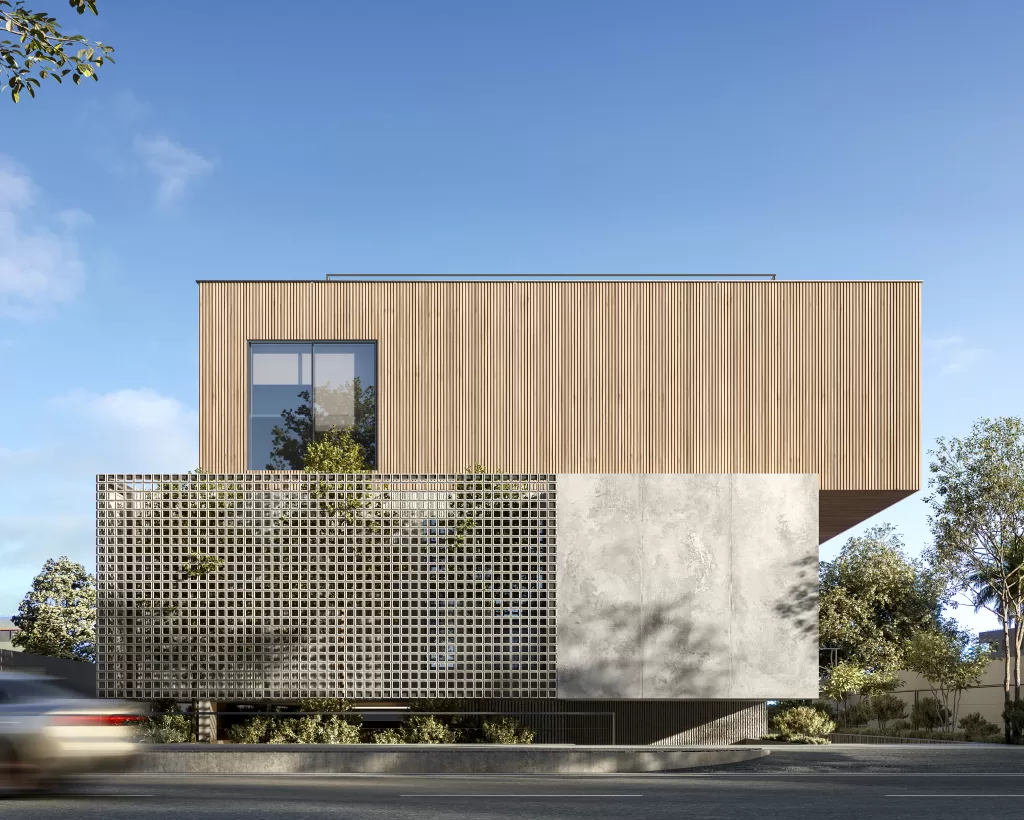
The next decade will likely bring deeper integration of circular economy principles, wider adoption of net-zero energy and water targets, and increased use of advanced materials (e.g., low-carbon composites and smart glazing). Sustainable architecture Dubai will move from project-by-project initiatives to mainstream practice — driven by regulation, investor demand, and a societal shift toward resilient, healthy, and low-carbon cities.
Conclusion
Sustainable architecture Dubai represents a pragmatic and visionary response to the UAE’s environmental and social challenges. By combining passive design, renewable energy, water-smart strategies, healthy interiors, and circular-material thinking, architects and developers can create buildings that are beautiful, efficient, and resilient. For Dubai to build a sustainable future, green design isn’t optional — it’s essential. Embracing green architecture UAE today ensures the emirates remain globally competitive, environmentally responsible, and inspiring places to live and work tomorrow.